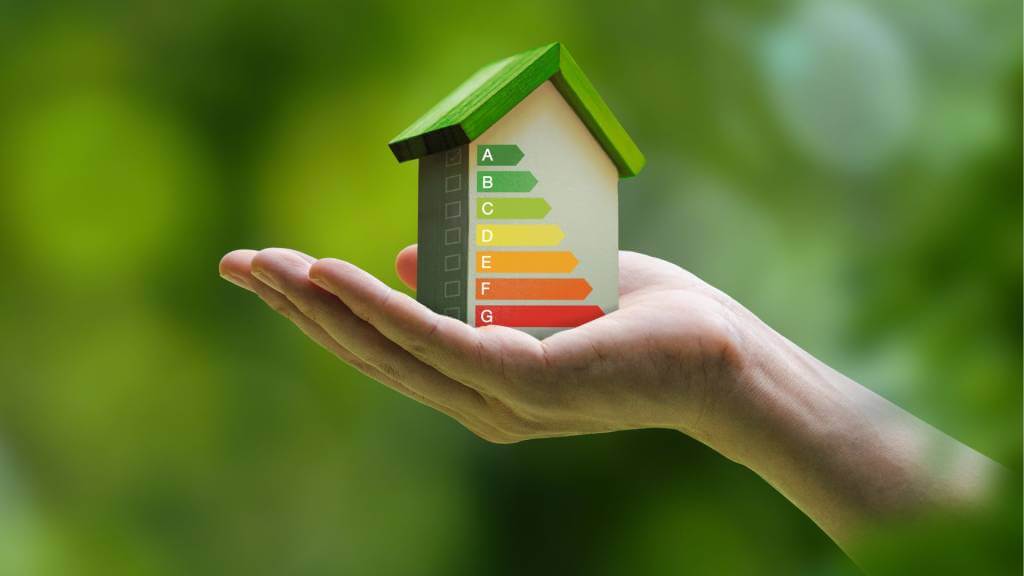
As Australians become more environmentally conscious, we’re fielding more questions about how heating our water affects our carbon footprint. It’s a fair question. Water heating accounts for roughly a fifth of total electricity consumption, making it one of the biggest sources of household energy use.
That’s why we’re finding more people switching to modern technologies such as solar and heat pump water heaters. These can dramatically reduce greenhouse gas emissions compared to traditional electric and gas systems.
As such, let’s compare the four—electric, gas, solar, and heat pump— carbon footprints to help you understand their environmental impact and choose the most sustainable option for your home.
Understanding the Carbon Footprint of Water Heating
Your carbon footprint is the total amount of greenhouse gases, primarily carbon dioxide (or CO₂), released into the atmosphere from the energy you use. So, the emissions generated to power your water heating system, whether that’s electricity drawn from the grid, natural gas combustion, or renewable energy from the sun, are your carbon footprint (from heating water).
Energy analysts often use Kilograms of CO₂ equivalent (kg CO₂e) per kilowatt-hour (kWh) of energy used or per litre of hot water produced to measure a system’s carbon output.
This provides a clear way to compare different systems and understand which options offer the lowest carbon footprint over time.
Electric Water Heaters – Convenient but Carbon-Intensive
Let’s start with the traditional option: electric storage systems. These are common in many Australian homes due to their simplicity and convenience. As the name implies, they draw electricity from the grid, which means their carbon footprint is closely tied to Australia’s current energy mix.
The national average emissions intensity is around 0.56 t CO₂-e per MWh for grid electricity, according to data from the Clean Energy Regulator (CER).
Pros of Electric Systems
- Low upfront cost and straightforward installation
- Compatible with existing wiring and plumbing systems
Cons of Electric Hot Water Systems
- High running costs. The longer the hot water runs, the more electricity (and cost) you incur.
- Significant carbon emissions. With much of the electricity grid powered by fossil-fuel sources, traditional electric heaters generate a larger carbon footprint.
- Limited efficiency gains. Without coupling with solar, the system remains relatively carbon-intensive.
Tips to Reduce Emissions
Having rooftop solar panels so your electric heater runs more on solar-generated power rather than grid electricity is the best way you can reduce emissions. There’s also smart tech available now, such as a timer smart controller that heats water during off-peak times when electricity prices and emissions are lower.
However, the best thing you can do to reduce your carbon footprint is to upgrade to an energy-efficient alternative, such as a heat pump system or solar water heating.
Gas Water Heaters – Efficient but Still Fossil Fuel-Based
Another traditional option is a gas hot water system. This could mean natural gas connected to the mains or LPG cylinders in regional areas. Whichever the source, gas water heaters are known for their reliability and fast heating times.
However, while they produce fewer emissions than electric systems powered by coal-based electricity, they also rely on fossil fuels.
On average, natural gas produces around 0.19 kg CO₂-e per kWh, while LPG emits about 0.23 kg CO₂-e per kWh. Both are cleaner than grid electricity but are still significant contributors to greenhouse gas emissions.
Benefits of Gas Hot Water Systems
- Faster water heating and strong flow rates, ideal for large households.
- Generally cheaper than electric storage systems (depending on gas prices).
- Reliable performance regardless of weather or solar availability.
Drawbacks of Gas Hot Water Systems
- Still a fossil-fuel-based technology, meaning ongoing carbon emissions and no path to true net-zero.
- Methane leakage during extraction and transport further increases total greenhouse impact.
- Rising gas prices and policy shifts toward electrification are making gas systems less attractive for sustainable homes.
To be honest, many new builds and retrofits are moving away from gas. We’re finding more homeowners choosing to go all-electric with heat pumps or solar-assisted systems. And this aligns with Australia’s broader move towards renewable, energy-efficient technologies
Solar Water Heaters – Low Carbon, Long-Term Payoff
Moving onto the first renewable option, solar water heating systems harness the sun’s energy to heat water, offering a low-carbon alternative to traditional electric and gas systems. There are two main types:
- Active systems: use pumps to circulate water
- Passive systems: rely on natural convection
Both operate with almost zero operational emissions, making them one of the cleanest ways to heat water in Australia.
However, there is some embodied energy involved in manufacturing panels, tanks, and associated plumbing. But studies show that over a typical 15–20 year lifespan, a solar water heater can reduce household carbon emissions by 1–2 tonnes CO₂ per year compared to gas or electric systems.
On top of this, real-world data proves significant electricity savings, especially if you pair it with rooftop solar PV systems. While the initial installation cost is higher than traditional systems, it’s possible to access government rebates or renewable energy incentives to help offset this.
For environmentally conscious households, solar water heating is proving a popular sustainable investment to cut both emissions and running costs.
Heat Pump Water Heaters – The Smart, Sustainable Middle Ground
The rising star in low-energy consumption is the heat pump water heater. In its simplest terms, the heat pump hot water heater absorbs heat from the surrounding air and transfers it to water using a refrigeration cycle. It uses significantly less electricity than traditional electric systems, resulting in a much lower carbon footprint. especially when paired with renewable energy sources.
Heat pumps offer high efficiency, often achieving a Coefficient of Performance (COP) of 3–4. This means they deliver 3–4 times more heat energy than the electricity they consume, which also means lower emissions and reduced running costs than gas and standard electric systems.
However, there are some considerations. Like solar, installation costs are higher than conventional systems. But also like solar, you could potentially access government rebates or renewable energy incentives to help offset this.
Additionally, performance can drop in very cold climates, but Australia doesn’t have many such areas. Think the NSW Snowy Mountains and the Victorian Alps. In such cases, they require frost protection or larger units.
But overall, heat pumps are ideal for aiming for net-zero energy and those seeking a sustainable, long-term solution for water heating.
Comparing Carbon Footprints: Side-by-Side Analysis
Here’s a simple table to compare the annual emissions, efficiency, and lifetime carbon footprint of each system.

How to Reduce the Environmental Impact of Your Hot Water System
Even if you’re not ready to upgrade your hot water system, there are still steps you can take to reduce its environmental impact. We’ve already mentioned how using renewable electricity sources (like solar) lowers emissions even for traditional electric systems. But regular maintenance also helps keep your system running efficiently, including flushing the tank, checking insulation and checking servicing components.
Additionally, choosing the right system size for your household and being mindful of water usage also helps. However, ultimately, if you really want to reduce your carbon footprint (and energy bills), switching to a solar or heat pump system is the best thing you can do.
Choosing the Right Low-Carbon Hot Water System for Your Home
As you can see, there are a few things to consider when selecting a low-carbon hot water system. You have to weigh up efficiency, emissions, and long-term running costs.
Also consider your household’s energy usage, available space, and local climate to determine the best fit.
However, if you’re really environmentally conscious, solar and heat pump systems offer the lowest carbon footprint and financial benefits. For expert guidance tailored to your home, talk to our team about sustainable water heating options that fit your home and budget.
FAQs
What is the most environmentally friendly water heater?
The most environmentally friendly water heater is typically a solar or heat pump system that maximises energy efficiency and minimises reliance on fossil fuels.
How do heating systems add to carbon footprint?
Heating systems add to your carbon footprint because they consume electricity or gas, with storage tank losses and inefficient operation increasing emissions.
What is the most energy-efficient hot water system in Australia?
The most energy-efficient hot water system in Australia is generally a heat pump or solar system, which uses ambient heat rather than relying solely on a storage tank’s heating element.
What is the carbon footprint of the water footprint?
The carbon footprint of a water heating system depends on energy source, system efficiency, and storage tank heat losses over its lifetime.