24/7 Plumbing Emergency Hotline Call 1300 721 996


A broken hot water system in the middle of a Melbourne winter doesn’t give you much time to think. Most people call the first number they find and say, “replace it with the same thing.” That’s not always wrong, but it’s not always right either.
The system type, size, installation location, and available rebates all determine whether you end up with a good result or an expensive do-over, but if you get those decisions right up front, the whole upgrade is much smoother.
If you’re calling someone out repeatedly, or the repair quote is creeping toward the cost of a new unit, it’s worth asking whether repairing it still makes sense. If you are noticing any of the following signs, it is generally time to consider a full replacement:
Before comparing options, identify what you’re actually replacing. The type of system you have affects installation complexity, upgrade options and cost.
The main hot water systems found in Melbourne homes:
Replacing like-for-like is often the simplest path, but it’s not always the best one. A family running an old conventional electric storage tank may find that a heat pump hot water system or continuous flow option makes more financial sense over the medium term, particularly with government rebates currently available in Victoria.
Heat pump water heaters and solar hot water systems have both become far more accessible in recent years, and the difference in running costs and energy consumption over a decade or more is worth comparing before you default to another electric hot water system. Heat pump hot water systems, in particular, are now among the most efficient available in Australia, with significantly lower running costs than conventional electric water heaters.
Same Day Hot Water Service installs and replaces electric storage, gas storage, solar, heat pump, evacuated tube, instantaneous, and continuous-flow systems across Melbourne.
A like-for-like replacement is faster, simpler and often lower in upfront cost. It suits households where the existing system was the right size and type, where the installation location is practical, or where an emergency replacement is needed and there’s no time for extended comparison shopping.
Upgrading to a different system type takes more planning. Still, it can reduce running costs, lower energy costs over time and, in Victoria, may make you eligible for government rebates that offset part of the upfront price. Switching from a conventional electric system or gas water heater to a heat pump hot water system can also meaningfully reduce your household’s carbon footprint and overall energy consumption, cutting carbon emissions from water heating and lowering your electricity bill at the same time. This is one reason heat pump hot water has seen such strong uptake in Victoria.
Upgrading tends to make sense when:
From 1 March 2027, existing Victorian homes with gas hot water systems that reach end-of-life must replace them with an efficient electric alternative. If your gas unit is ageing, factoring in that regulatory change now avoids being forced into an emergency switch later.
Getting the tank size wrong is one of the more avoidable mistakes in a hot water system replacement. A storage tank that’s too small means cold showers and an overworked system. One that’s too large wastes energy by storing and heating more water than the household actually uses, which adds to energy costs over time.
Sizing depends on several factors, including the number of people in the home, the number of bathrooms, shower habits and duration, whether baths and a dishwasher are in regular use, and when peak hot water usage falls during the day. The number of bedrooms is often used as a sizing indicator alongside current occupancy, since it reflects likely changes to household demand over time.
| Household | Typical consideration |
| 1 to 2 people | Smaller storage tank, compact heat pump unit or continuous flow system |
| 3 to 4 people | Medium-capacity system matched to peak usage patterns |
| 5+ people | Larger capacity storage or continuous flow to handle sustained demand |
For heat pump hot water systems, placement also affects performance. These units extract heat from the surrounding ambient air to heat water, so they work best with adequate airflow around the outdoor unit. A cramped or poorly ventilated installation location can affect energy efficiency and the amount of hot water the pump unit reliably produces.
Heat pump hot water systems are among the most energy-efficient hot water systems available, but only when they’re installed in a position that allows them to operate properly. An energy-efficient heat pump unit, placed correctly, can heat water using a fraction of the electricity that conventional electric water heaters require.
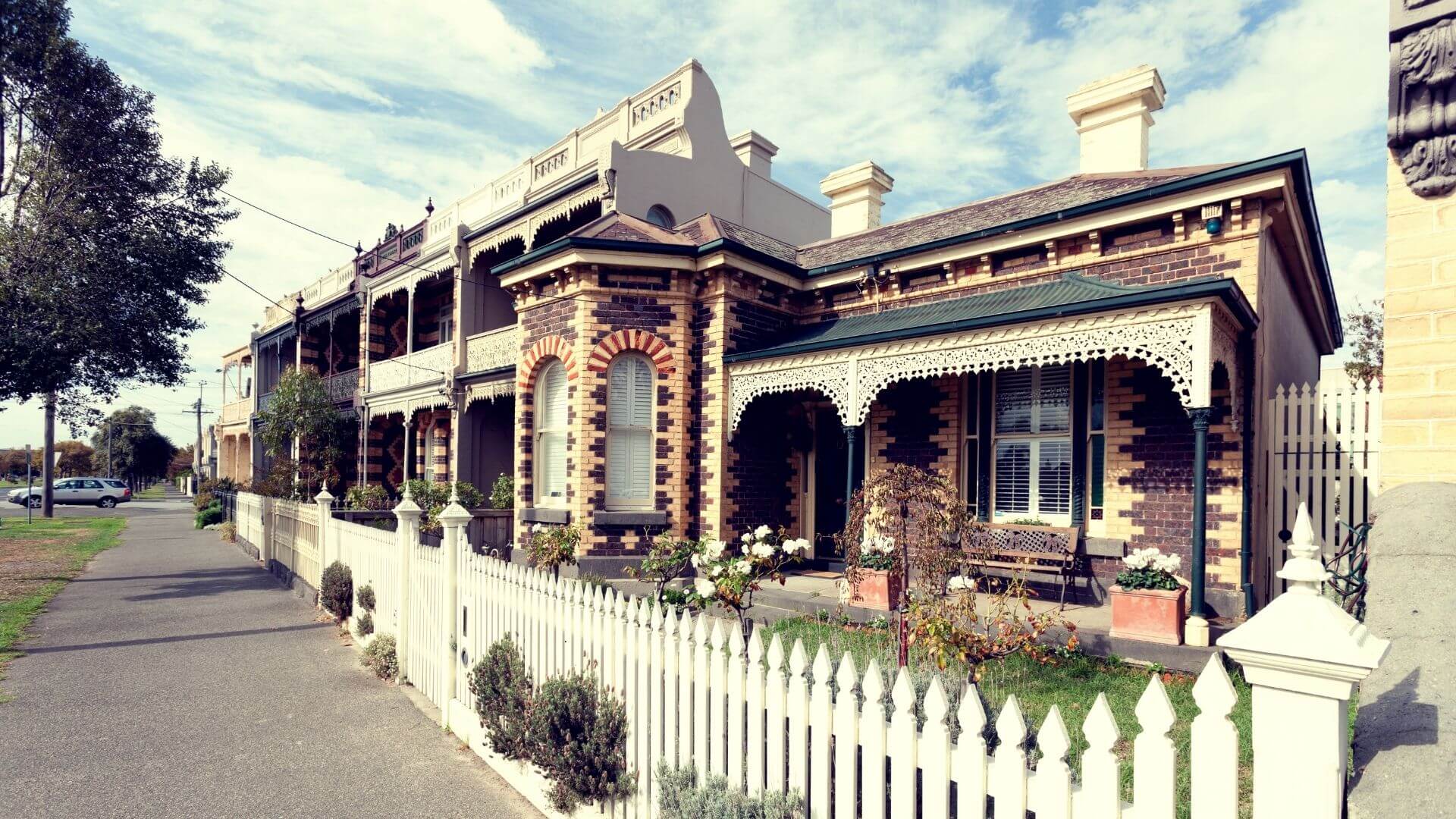
Melbourne’s housing stock is varied. Older detached homes in the inner suburbs, apartments and townhouses, newer builds on the fringe and period properties with limited outdoor access all present different installation challenges. What works in a freestanding home with a large side passage doesn’t necessarily work in a two-bedroom apartment with body corporate requirements.
Factors that affect the installation of hot water systems in Melbourne homes:
Same Day Hot Water Service covers Melbourne suburbs including Alphington, Bundoora, Coburg, Fairfield, Kingsbury, Macleod, Northcote, Preston, Reservoir and Thornbury.
Melbourne homeowners upgrading to a heat pump hot water system or a solar hot water system may be eligible for government rebates through Solar Victoria and the Victorian Energy Upgrades (VEU) program. Checking this before you commit to a system could make a meaningful difference to the upfront cost.
Solar Victoria currently offers hot water rebates of up to $1,000 for eligible heat pump and solar hot water products. Households choosing a locally made product may qualify for a rebate of up to $1,400. The rebate applies to installations that replace an existing hot water system at least 3 years old on the date of purchase and is not available for new-build homes.
From 1 July 2026, a combined household income of $150,000 or less per year is required to be eligible. If your household income sits between $150,000 and $210,000, the current window closes at 5 pm on 30 June 2026.
On top of Solar Victoria’s rebate, the Victorian Energy Upgrades program offers additional upfront discounts when households upgrade to an eligible heat pump hot water system. These government rebates and discounts are applied directly to your installation invoice by an accredited VEU provider, with no separate reimbursement process required. The discount amount varies based on current VEEC market prices and the system being replaced, so confirm the figure with your installer at the quoting stage.
Before committing to a system or installer, check:
Rebate eligibility rules can change, so confirm current requirements directly at solar.vic.gov.au before purchase.
Not all installers are equal, and not all quotes cover the same scope of work. Getting clear answers before you book avoids unpleasant surprises on installation day:
A quote that answers all of these upfront is a much better sign than one that’s light on detail.
Hot water system replacement is not a DIY job in Victoria, regardless of how straightforward it might look. Installation involves plumbing connections, and often gas fitting or electrical work, all of which require licensed tradespeople. Attempting unlicensed work creates safety risks, voids manufacturer warranties, and can affect insurance.
For gas systems, the Victorian Building Authority administers the licensing and registration system for plumbers and gasfitters and enforces plumbing standards in Victoria. Solar Victoria also provides installation guidance to help installers meet the relevant regulations, codes, and standards.
Compliance requirements to confirm with your installer:
A little preparation on your end keeps the job moving:
Standard residential replacements can often be completed within a day, but keep in mind that timing varies based on system type, installation complexity, access, and whether any additional compliance or electrical work falls outside the standard scope.
Replacing like for like without questioning it is probably the most common one. An old electric storage unit gets swapped for another because that’s what was there. It takes maybe an hour to compare a heat pump or continuous flow option against a straight swap, and that hour could be worth thousands in running costs over the life of the system.
Heat pump hot water systems typically cost significantly less to run than conventional electric units, and government rebates can offset a decent chunk of the upfront cost. Which brings up the next one, forgetting to check rebate eligibility until after the system is already in. Solar Victoria and VEU discounts must be arranged in advance, not claimed after the fact.
Beyond that, don’t choose purely on upfront price; make sure the system is sized for peak demand rather than average use, and leave enough access around the unit for future servicing. And if the system is ageing and unreliable, don’t wait for it to fail completely before looking at options. A planned replacement is almost always cheaper than an emergency one.

Same Day Hot Water Service provides hot water system replacement, installation and repairs across Melbourne. Whether you need a fast same-day replacement or want advice on the right system before your current unit gives out, the team can help with system selection, rebate guidance and professional installation.
Not sure whether to repair, replace or upgrade? Speak with a hot water specialist before choosing your next system. Contact Same Day Hot Water Service for Melbourne hot water system replacement and a free quote on 1300 721 996.
A leaking tank, rust-coloured water, inconsistent temperature, strange noises, running out of hot water quickly and rising energy bills are all common indicators. For a detailed breakdown, see our warning signs and repair versus replace guides.
Many Melbourne homes can switch system types, but suitability depends on available space, gas or electrical capacity, plumbing setup and household demand. Same Day Hot Water Service can advise on what is practical for your property.
Most standard residential replacements are completed within a day, though timing varies based on system type, access and whether additional compliance work is involved.
Eligible heat pump and solar hot water systems may qualify for Solar Victoria rebates and Victorian Energy Upgrades program discounts. Check current eligibility requirements at solar.vic.gov.au before purchase.
Repairs suit minor faults on newer systems. Replacement makes more sense for leaking, corroded, inefficient or repeatedly failing units, particularly if the system is approaching the end of its practical life.
Yes. Hot water replacement involves plumbing connections and often gas or electrical work, which must be carried out by licensed tradespeople in Victoria. DIY installation is not permitted and will void manufacturer warranties.