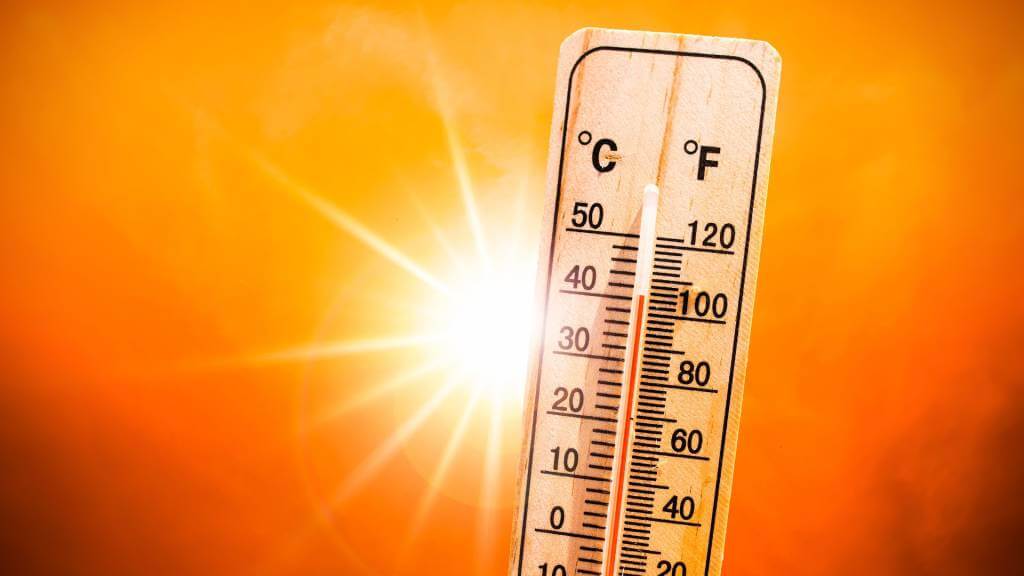
During times of extreme heat, a hot water system may struggle to perform as expected, leading to inconsistent temperatures, reduced capacity or complete shutdowns. While a cold shower might seem appealing after a 40°C day, sudden temperature changes can place unnecessary stress on your body. Even in hot weather, a lukewarm shower is often the better option, which means your hot water system still needs to perform reliably, even when hot water is the last thing on your mind.
This article breaks down how extreme heat impacts different types of hot water systems, what performance changes are considered normal, and what you can do to safeguard your system during Australia’s increasingly harsh summer conditions. With our Aussie summers pushing water heaters to their limits, this knowledge can help you prevent damage, lower energy bills, and ensure optimal performance of your hot water system.
How Extreme Heat Actually Affects Hot Water Systems
It might seem counterintuitive, but blistering heat makes your hot water system work harder and consume more energy, even though less heating is required. Here’s why.
The Science Behind Heat Impact
Just as cold snaps and freezing temperatures can see water heating systems struggle, sustained hot weather can have a similar impact. As water heats, it expands, increasing internal pressure and placing additional strain on valves and safety components. High ambient air temperatures can also cause electrical components and compressors to overheat, reducing hot water system efficiency. This is a particular risk for systems with poor ventilation or those sitting in direct sun. Warmer inlet water can also alter heating cycles, and you may see inconsistent performance during peak use.
Why It Feels Like You’re Running Out of Hot Water Faster
It can feel like you’re running out of hot water faster during heatwaves due to changes in usage patterns and basic physics, not because your system is failing. When it’s hot, homes use more water overall, placing greater demand on the system. At the same time, the incoming cold water is warmer than usual, which changes how hot and cold water mix at the tap. Normally, a comfortable shower temperature mixes hot water at around 60°C with a significant amount of cold water, say at 15°C. During a heatwave, if the cold water is closer to 30°C, far less cold water is needed to reach a comfortable temperature, meaning a higher proportion of hot water is used each time the tap is turned on.
Heat Effects on Different Hot Water System Types
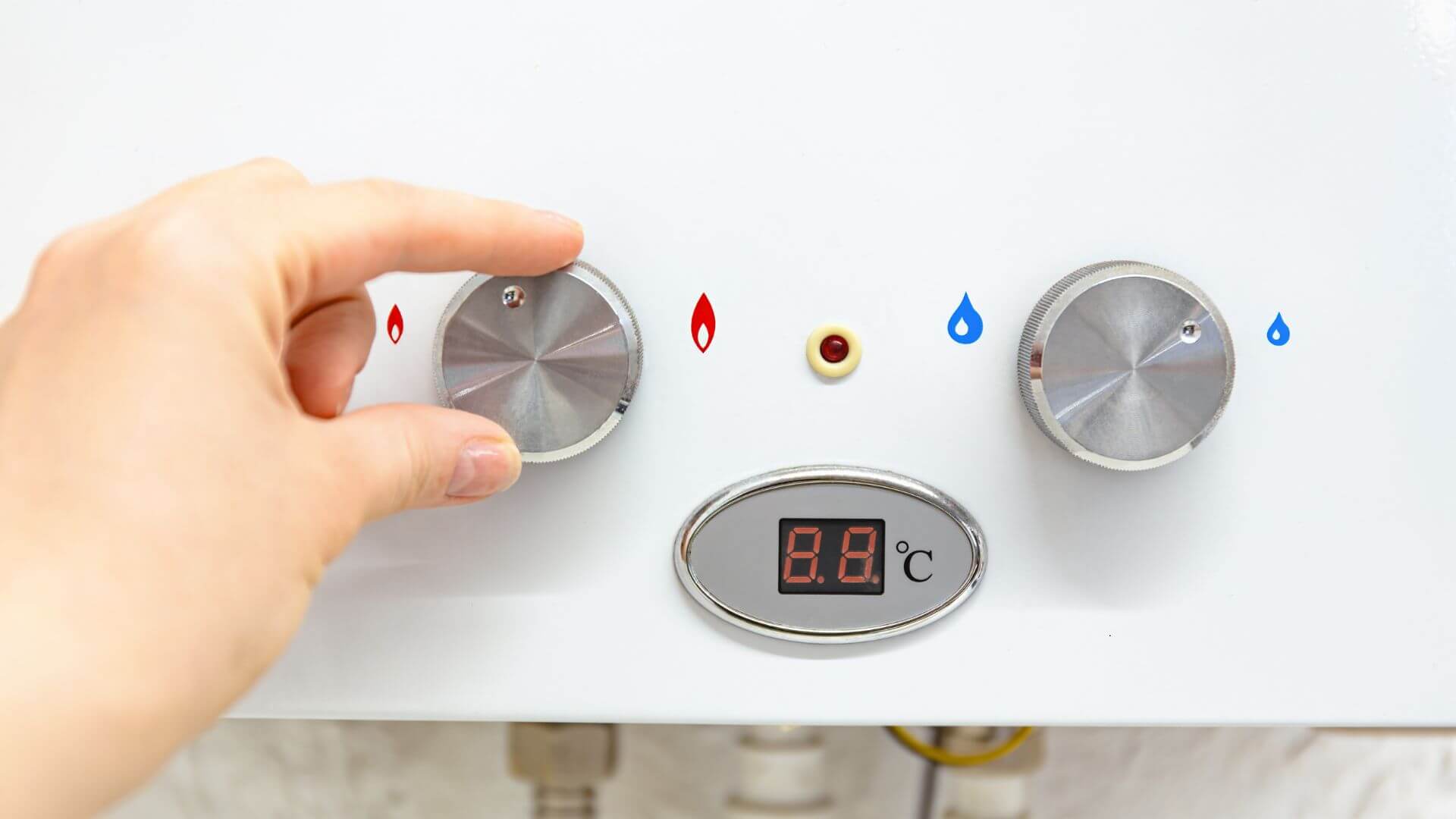
Electric Hot Water Systems
- Prolonged periods of hot weather can cause thermostat calibration issues. This is because high ambient temperatures influence how accurately the thermostat senses and maintains water temperature. In turn, this causes earlier shut-offs or inconsistent reheating cycles and results in less usable hot water during peak evening demand.
- For systems that rely on overnight tariffs, heatwaves can cause off-peak heating timing problems. Warmer inlet water and reduced overnight temperature drops shorten heating cycles, meaning the system doesn’t get the chance to fully recover by morning.
- Element performance can also be affected as surrounding electrical components may run hotter than designed. This triggers protective limits or reduces efficiency over extended periods of extreme heat.
- While heat losses slow on hot days, so does heat dissipation, which can interfere with normal temperature regulation and see pipe insulation become less effective.
Gas Hot Water Systems
- While warmer inlet water may seem beneficial for tankless heaters like continuous flow (instantaneous) systems, it can actually cause the system to throttle output more aggressively, particularly when multiple outlets are used at once, leading to fluctuating water temperatures.
- In gas systems with a storage tank, heat can affect pilot lights as limited airflow can interfere with stable combustion. This may cause pilot outages or delayed ignition, especially in older units.
- Proper ventilation is critical on very hot days as buildup around the unit, as well as restricted airflow, can trigger safety shut-offs or increase the risk of incomplete combustion.
- Gas pressure fluctuations can also be a problem during peak periods, such as evenings when households simultaneously use hot water and cooking appliances. During heatwaves, overall network demand can also spike, and minor pressure drops may reduce burner output, affecting recovery rates or temperature consistency.
Solar Hot Water Systems
- Solar energy availability on hot sunny days may be plentiful, but excessive heat can cause overheating, particularly when hot water demand is low. During heatwaves, storage tanks can also reach very high temperatures and trigger protective mechanisms.
- The tempering valve blends cold water with hot to deliver safe outlet temperatures, but when storage temperatures are above normal operating levels, it has to work harder and may reduce the apparent volume of usable hot water, even though the system is producing plenty of heat.
- In extreme conditions, pressure relief valves may activate to release excess pressure, and while occasional discharge is normal, continuous release indicates the system is consistently overheating.
- As solar collector panel temperatures rise, heat losses increase. This means the system is producing excess heat that it has to actively manage, rather than simply use. In other words, it’s working too well.
Heat Pump Water Heaters
- Heat pump systems are designed to extract heat from the surrounding air, but when ambient temperatures are excessively high, efficiency can drop, and compressors and electronics may limit output to prevent overheating. This reduces hot water recovery during peak use.
- Sustained high temperatures affect heat pump performance by placing added stress on compressors, fans, and control boards. Many systems enter protective modes or extend recovery times to protect critical components, which can make it feel like hot water is running out faster.
- Heat pump water heaters rely heavily on airflow. In extreme heat, hot air recirculation can significantly impair heat pump performance, especially for units exposed to direct sun or installed in tight spaces with poor ventilation.
- While moderate heat helps efficiency, extreme heat offers diminishing returns. This means the system may need to slow down to manage internal temperatures, explaining why it can underperform during prolonged hot weather rather than excel.
Common Hot Water Problems During Heatwaves
Here are some problems you might see happening with your hot water system during weeks of searing weather.
Pressure Relief Valve Leaking
Pressure relief valves are designed to protect your hot water system by releasing excess pressure. It’s normal for them to activate more frequently during heatwaves as pressure builds up because the system has less time to cool between heating cycles. However, if it flows continuously, especially when not heating, it can indicate a problem such as excessive system pressure, a failing valve, or inadequate expansion control.
Temperature Fluctuations and Inconsistency
Extremely high temperatures can cause your hot water temperature to fluctuate for a few reasons. The first is that high ambient temperatures may affect sensors, which can trigger irregular heating cycles. Another reason is that mixing values can struggle during heatwaves as water temperatures rise significantly. They may not adjust properly, which can cause sudden changes to the temperature of water coming from the tap. Pipes can also lose less heat compared to when you’re experiencing cold temperatures, meaning that water at the tap can be hotter than usual initially.
System Overheating and Safety Shutdowns
Most hot water systems will shut down for safety if the system overheats to prevent damage. When faced with extreme temperatures outside, electric systems automatically activate temporary thermal cutoffs when internal components or wiring get too hot. In gas systems, pilot lights can go out, while heat pump water heaters can shut down if airflow is poor. In most cases, the hot water system will automatically restart when temperatures drop to safe levels.
Increased Energy Consumption (Despite Less Heating Needed)
While you might assume that your water heater doesn’t need to work as hard in hot weather, extreme temperatures mean your system actually consumes more energy. This is because of frequent cycling and standby losses as it turns on and off more to maintain its temperature, wasting energy each time. The thermostat also needs to switch on and off as it tries to maintain temperature control, which also increases energy use. Smaller differences in the temperature of the water going into the system can also cause greater energy consumption, as the system has to regulate heating more efficiently to prevent it from getting too hot.
What’s Normal vs. What Requires Professional Attention
If you’re struggling to figure out if those hot water system drips are normal or not, here’s how to tell the difference between normal changes to expect during a heatwave and warning signs that something more serious is happening.
Normal Heat-Related Behaviour
- A reduction of 10-15% in available hot water volume
- Occasional pressure relief valve dripping during peak heat days, but nothing more than a trickle
- Faster initial heating after complete depletion
- Minor temperature fluctuations of 2-3°C
Warning Signs That Need a Professional
- A pressure relief valve that continues to drip outside of heating times
- Complete loss of hot water
- Unusual noises like popping or banging that worsen in hot weather
- Discoloured water coinciding with heat events
- Visible corrosion
- Electrical tripping or gas system lockouts
Protecting Your Hot Water System During Extreme Heat
Prepare your hot water system for optimal performance during summer with these tips.
Pre-Summer Preventative Maintenance
- Have your system professionally serviced in late winter or early spring
- Every 3-5 years, have the anode rod inspected
- Test the pressure relief valve by placing a bucket under the discharge and lifting the lever for a few seconds
- Test tempering valve calibration at the nearest tap by running it for at least 60 seconds and then holding a thermometer under it
- Ensure there is adequate insulation around hot water pipes and replace it if any is missing or has deteriorated
During Heatwave Management
- Adjust the thermostat if appropriate. Make gradual adjustments and ensure safety by keeping the hot water tank at 60°C. Be careful when adjusting thermostats yourself, as high-voltage components are behind the cover.
- Monitor the pressure relief valve for signs of leaks
- Ensure adequate ventilation around gas systems
- Check the expansion vessel pressure if your system is equipped with one
Location and Installation Considerations
- Consider moving your system if it’s placed in the full sun or doesn’t receive adequate ventilation
- If it can’t be moved, consider creating a shade structure to protect outdoor systems
- Ensure insulation is adequate for the Australian climate
Long-Term Solutions for Heat-Prone Areas
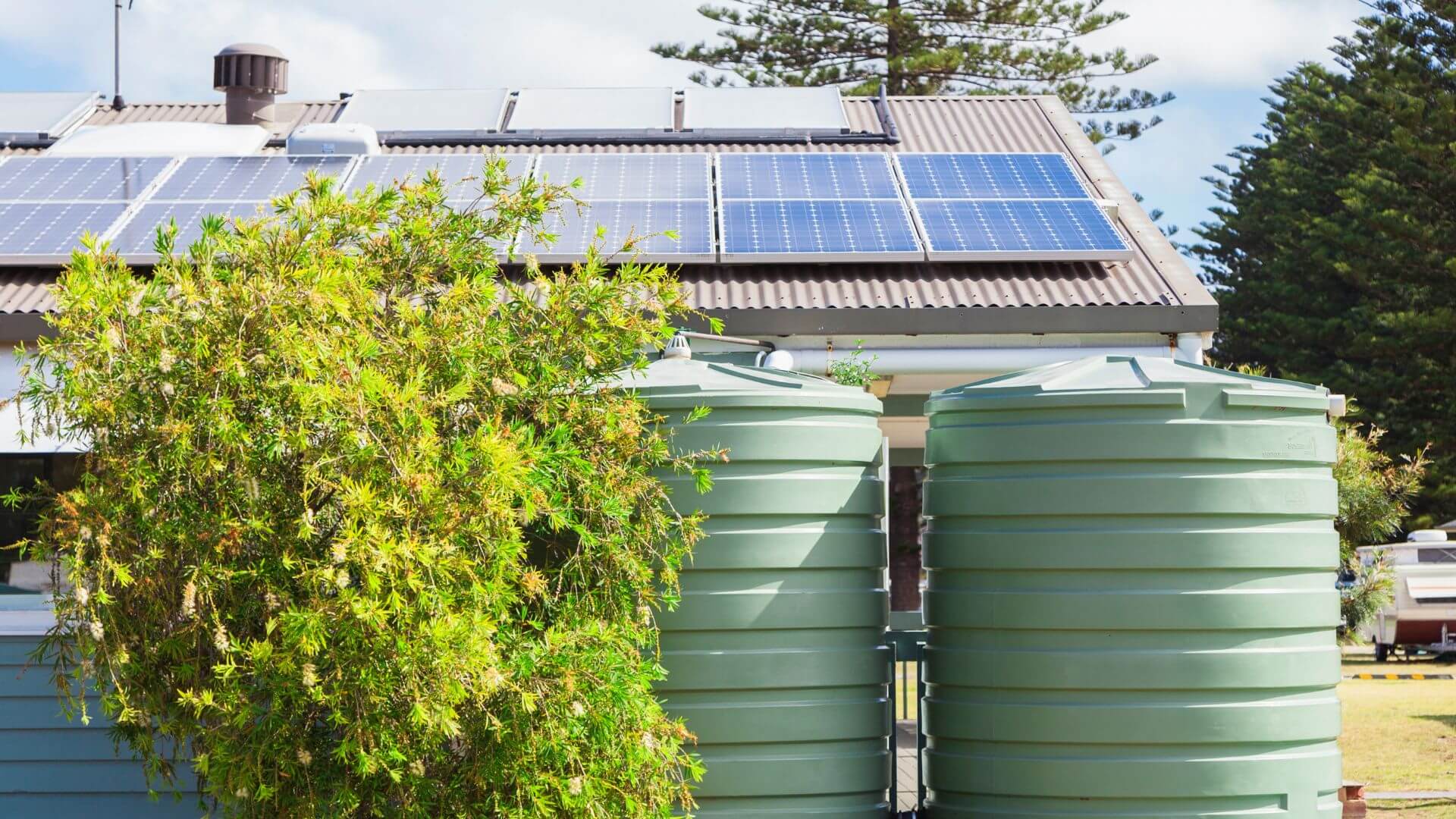
To better protect your system against heat-related problems, consider upgrading to heat-resistant models or switching to more energy-efficient heat pump systems. Moving away from fossil fuels toward renewable energy options, like solar hot water systems, can also improve reliability and reduce environmental impact in hot climates.
If your hot water system doesn’t already have one, installing expansion tanks or vessels is a simple way to manage thermal expansion and reduce pressure-related issues during heatwaves, while models with smart thermostats can help optimise heating cycles, prevent overheating, and adapt to changing ambient conditions. These actions not only improve energy efficiency, but they can also prolong the life of your system.
Finally, ensuring your hot water system is correctly sized for your household is crucial. An undersized system will struggle during peak usage and heatwaves, while an oversized system may waste energy and exacerbate pressure problems.
No Sweat Solutions To Hot Weather Water Heater Problems
Just as your hot water system has to work harder in cold weather, scorching summer days also take a toll, often leading to the need for hot water system repairs or unexpected breakdowns. However, with a bit of DIY maintenance and regular professional servicing, you can lessen the environmental impact of rising temperatures on your hot water system. A professional assessment of your hot water system can also help you reduce your carbon footprint, cut energy costs, and keep the hot water flowing as you need it.
Want professional help to safeguard your hot water system against the heat? Call Same Day Hot Water Service on 1300 721 996 for fast, no-sweat service.
FAQs
Does outside temperature affect a hot water heater?
Outside temperatures affect hot water heaters by significantly changing the temperature of the water coming into the system, reducing efficiency, making the system work harder and extending recovery times.
What happens if a water heater gets too hot?
If a hot water system’s components become too hot, it can cause an automatic safety shutdown that helps the system avoid permanent damage.
Why do I only get 10 minutes of hot water?
If it feels like you are running out of hot water quickly during a heatwave, it may be due to increased water usage or because the temperature of the water coming into the system is hotter, which actually causes more hot water to be used to deliver the correct temperature to the tap.
Can extreme heat affect water pressure?
Extreme heat can affect water pressure by increasing demand, stressing pipes and weakening fixtures and therefore, impacting water flow.