Picture this: it’s a cold winter morning; you turn on the tap and are faced with nothing but cold water. It’s frustrating. It’s also wasteful, costing Australian homes thousands every single day.
In fact, the average Australian household wastes over 15,000 litres of perfectly good water each year just waiting for the hot water to arrive.
That’s time, money and water you’ll never get back.
However, there is a solution, and it’s proving very popular. A hot water recirculating pump gives you near-instant hot water at every tap.
In this guide, you’ll learn:
- The real benefits of installing a recirculation pump
- How the system works (explained in simple terms)
- Costs, running efficiency, and what to expect
- Hot water storage vs instant
- Installation requirements and whether your home is compatible
What Is a Hot Water Recirculating Pump and How Does It Work?
A hot water recirculating pump is a small device installed in your plumbing that circulates hot water continuously or on demand through the pipes. As a result, you get instant hot water at the tap instead of waiting for cold water to flush out.
The Basic Components
Pump unit:
A compact pump installed at your hot water heater that keeps water moving through the hot water recirculation system.
Return line or bridge valve:
- Return line system: Uses a dedicated pipe to send unused warm water back to the heater.
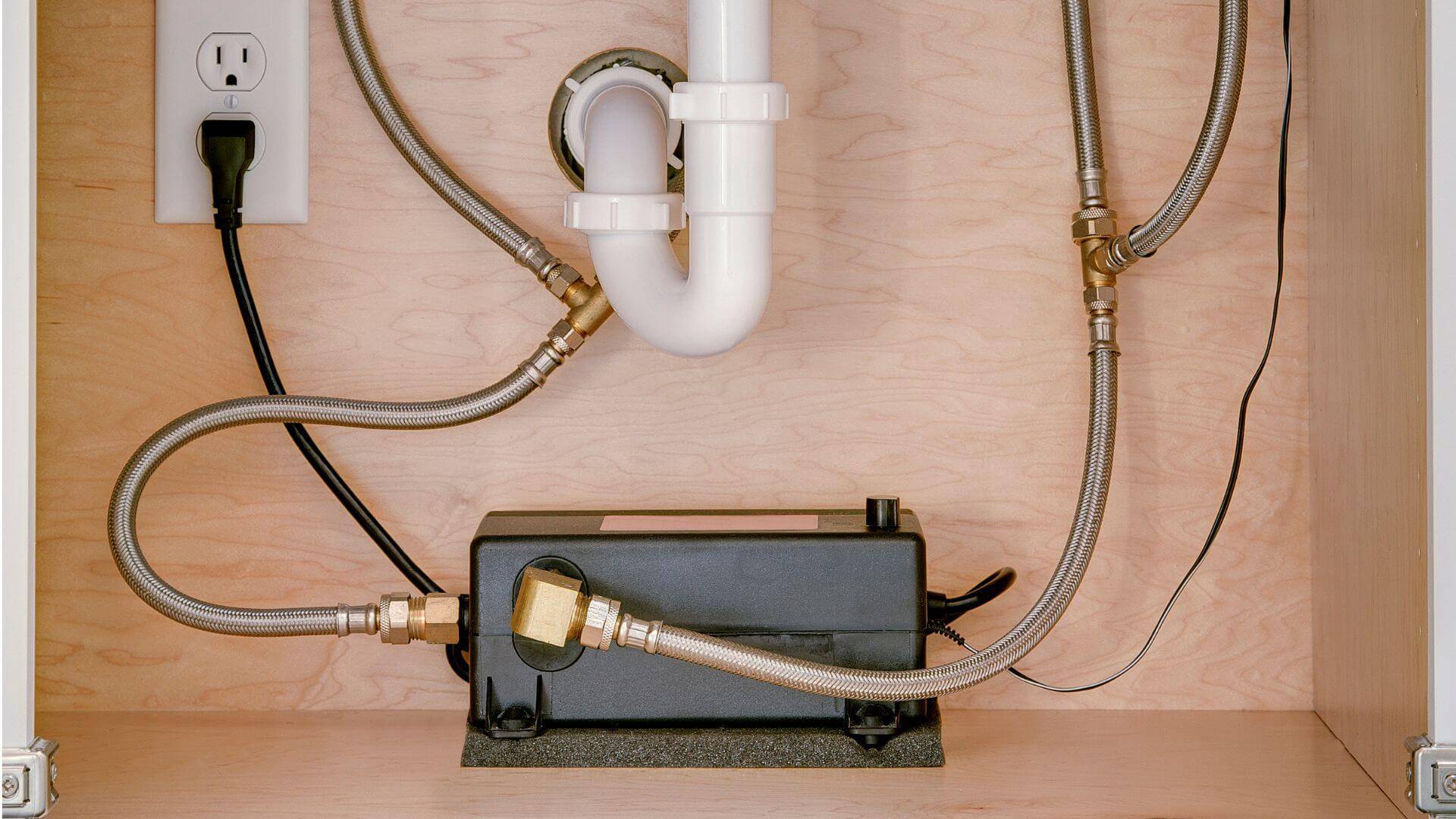
- Bridge valve system: Uses the existing cold line as the return path, ideal for older homes without a return line.
Timer or sensor controls:
This smart tech turns the pump on only when needed, improving efficiency and reducing running costs.
Check valve:
This ensures water flows in one direction and stops cold water from mixing into the hot line.
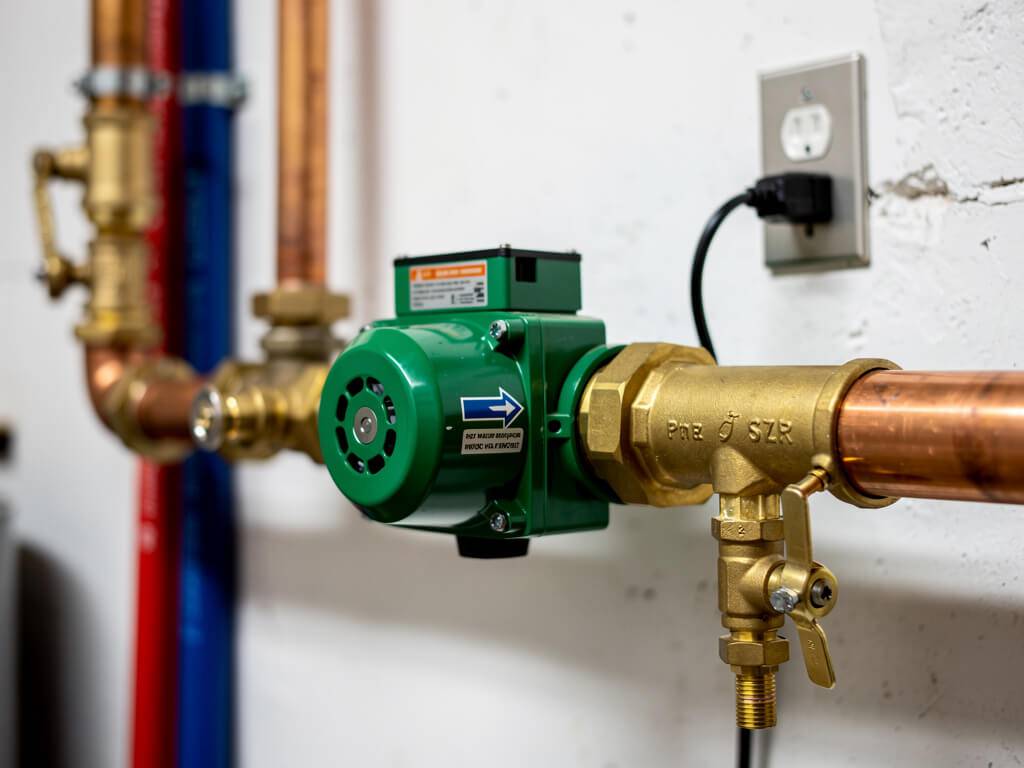
How the System Operates
The recirculating pump works by continuously (or intermittently) pushing warm water through your hot water pipes. At the same time, cooled water is sent back to the heater through a return line or bridge valve. This maintains the temperature, so when you turn on a tap, hot water reaches you almost instantly.
Think of it like keeping your coffee warm on a hotplate.
3 Types of Hot Water Recirculation Systems Explained
There are three main types of recirculation systems. Three, to be exact, and choosing the right one depends on your home’s layout and budget. Let’s take a look.
Full Recirculation Loop System (Traditional)
A full loop system uses a dedicated return pipe running from the furthest fixture back to the hot water unit.
- Best for: New builds or major renovations where walls and plumbing are accessible.
- Pros: Fastest hot water delivery and the most consistent performance.
- Cons: Higher installation cost due to the extra pipework required.
Comfort System (Bridge Valve System)
A comfort system uses the existing cold water line as the return path. The small bridge valve is installed under the furthest sink from the water heater, connecting the hot and cold water lines together at that point
- Best for: Existing homes or retrofits where adding new plumbing isn’t practical.
- Pros: No wall demolition and far more affordable to install.
- Cons: Slightly less efficient than a full loop because the cold line absorbs some heat, which makes sense.
Demand-Controlled vs Timer Systems
This is your most water- and energy-efficient option, as demand-controlled systems activate only when you press a button or when a motion/temperature sensor is triggered.
- Timer-based systems run on a schedule (e.g., mornings and evenings), ideal for predictable routines.
- Smart systems add Wi-Fi control, app scheduling and learning algorithms for personalised efficiency.
- Best for Australian homes:
- Demand-controlled for households focused on savings
- Timer systems for predictable family routines
- Smart systems for tech-loving homes wanting hands-off optimisation
7 Compelling Benefits of Hot Water Recirculation Pumps
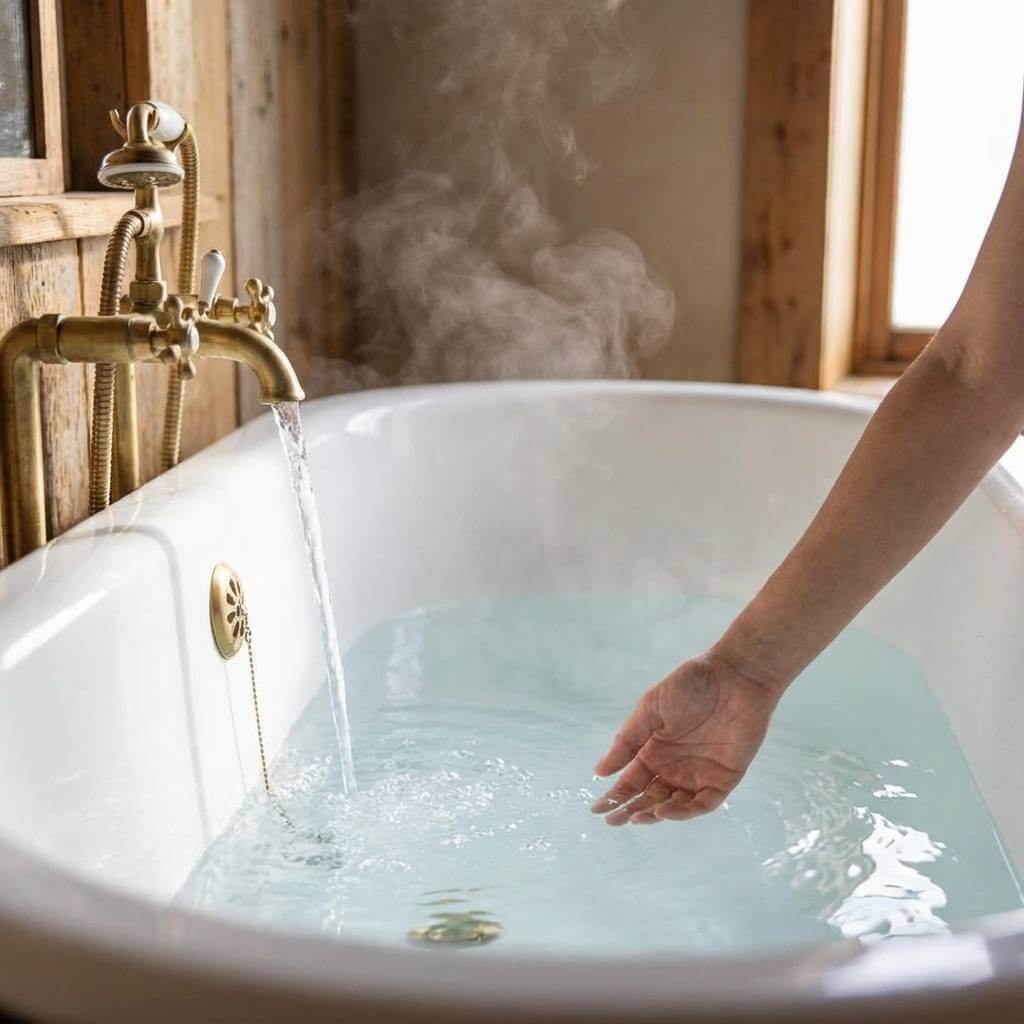
Beyond convenience, recirculation pumps deliver real savings, comfort, and long-term value for Australian households.
1. Instant Hot Water at Every Tap
No waiting 30–120 seconds for hot water, which is especially useful for en-suites or taps far from the heater.
2. Massive Water Savings
Most Australian homes waste 15,000–24,000 litres a year waiting for hot water. This equates to a family running the tap for 90 seconds, three times a day, which can save $150–$250 annually.
3. Energy Efficiency (When Done Right)
Modern pumps use just 50–150 watts, and insulated lines plus demand/smart controls mentioned earlier keep energy use minimal.
4. Environmental Impact
You’re also helping the planet by reducing water waste and lowering heating demand. It shrinks your carbon footprint and supports Australia’s conservation targets.
5. Increased Home Comfort & Convenience
Improves the overall functionality of your home.
6. Extended Hot Water System Lifespan
More stable temperatures reduce thermal stress, helping your system’s longevity.
7. Adds Property Value
A modern efficiency upgrade that appeals to buyers, especially with the more eco-focused trends we see happening.
Important Considerations Before Installing a Recirculation Pump
There are a few key points to understand before taking the plunge, ensuring your investment delivers real benefits.
Operating Costs
Recirculation pumps typically add $30–$80/year to electricity bills, depending on the system type. Poorly insulated systems may lose heat, increasing energy use. However, as we’ve shown, timer-controlled pumps enhance efficiency.
Installation Complexity & Cost
These systems are not a DIY project. You will need a licensed plumber to get this done properly. Additionally, installation may involve electrical work, and costs vary between retrofits and new builds.
Not Ideal for All Homes
Such homes include:
- With centrally located heaters
- Already very efficient tankless systems
- Apartments with plumbing constraints
- A free assessment from a qualified plumber is the way to go to determine if a recirculating pump is worthwhile.
How Is a Hot Water Recirculating Pump Installed?
Here’s what to expect when having a recirculation pump installed in your Australian home.
Professional Assessment
A licensed plumber will inspect your existing system. This includes measuring distances to the furthest fixtures and determining the best system type (full loop vs. comfort system). A good plumber will also check compatibility with your heater (gas, electric, tankless) and advise on any electrical requirements.
Installation Steps Overview
- Pump mounting: Typically near the hot water outlet of the heater.
- Return line installation: as stated, full loop systems get a dedicated return pipe; comfort systems use a bridge valve under the furthest sink.
- Electrical connection: Plug-in or hardwired to a dedicated circuit.
- Control installation: Timer, button, or sensor placement.
- Check valve: Prevents backflow.
- System testing: Pressure and temperature verification, timer programming.
- Pipe insulation: Added for energy efficiency.
Installation Timeline
Comfort system retrofits usually take 3 to 6 hours, while full loop systems in new construction may take 1 or 2 days, with minimal disruption to your plumbing.
Why Hire a Licensed Professional
We’re in Australia, which means compliance with Australian plumbing regulations and the AS/NZS 3000:2018 electrical standards. Additionally, a quality plumber protects warranties, properly sizes the system, and guarantees safe installation.
Hot Water Recirculation Pump Cost Guide (Australia 2025)
Here’s a quick guide on the costs for the different types of water heaters.
Pump Unit Costs
- Basic timer-controlled: $300–600
- Demand/smart systems: $600–1,200
- Premium brands (e.g., Grundfos, Laing): $800–1,500
Installation Costs
- Comfort system retrofit: $800–1,500 installed (pump, bridge valve, labour, testing)
- Full loop new construction: $1,200–2,500 (pump, dedicated return piping, labour)
- Full loop retrofit: $2,500–5,000+ (requires wall access, extra plumbing, potential repairs)
It’s important to note that costs vary by city, with Sydney and Melbourne being higher and factors like distance to the furthest fixture, access difficulty, and electrical work.
Operating Costs
- Electricity: $30–80/year (demand systems lower)
- Additional water heating: $50–150/year (depends on insulation)
- Total: $80–230/year
- Compare with water savings: $150–250/year
ROI Timeline
Homeowners typically break even after 3 to 7 years, depending on usage. Also remember the long-term value of convenience, home comfort, and environmental impact. In our experience, we have found that the best ROI is large homes with frequent hot water use and high-water costs
You should also consider checking for any rebates or incentives available via state water authorities, for example, WaterNSW.
How to Choose the Best Hot Water Recirculating Pump for Your Home
Home Size & Layout
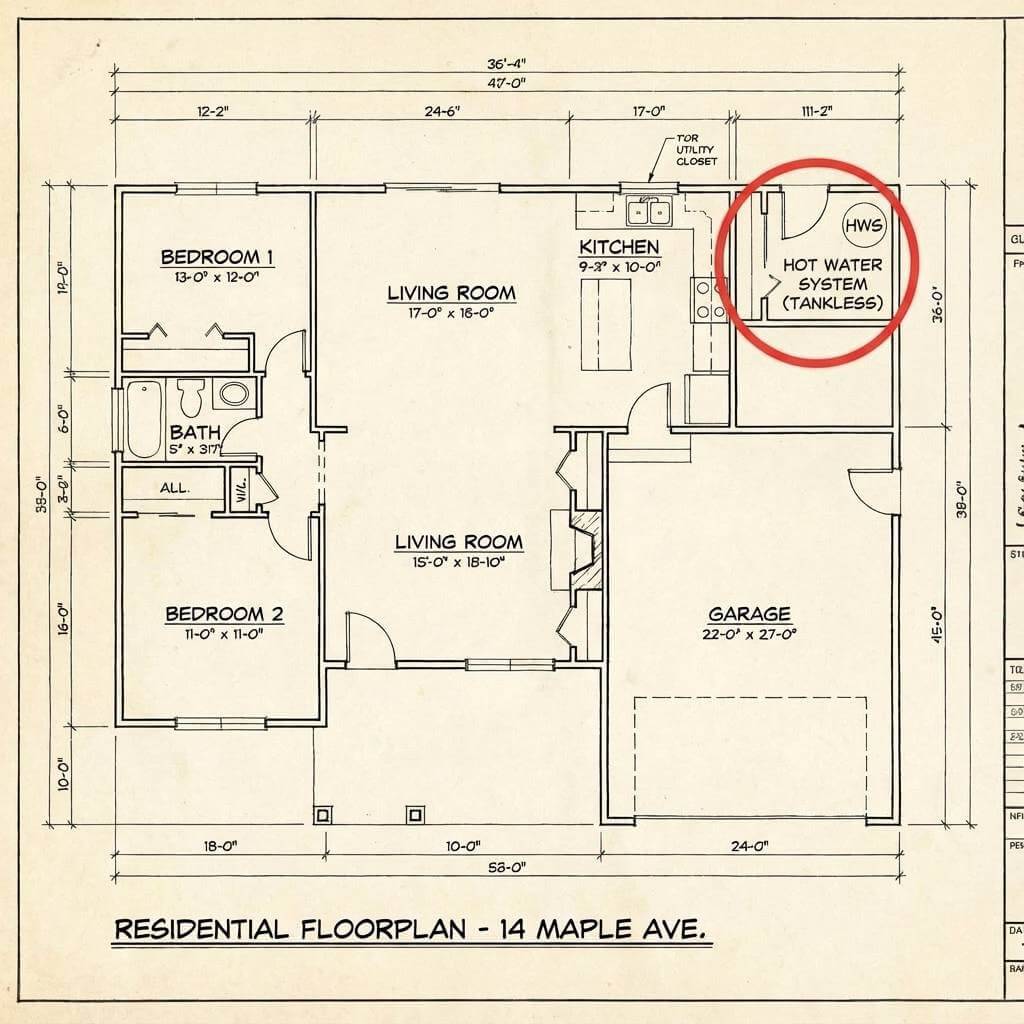
Measure the distance from the heater to the furthest fixture. Consider the number of bathrooms and fixtures, and keep in mind that single vs multi-story homes affect pump choice.
Existing Hot Water System Compatibility
Fortunately, recirculating pumps are compatible with gas, electric, solar, heat pump, and tankless systems. You can check the temperature, pressure ratings, and flow rate of your existing system to compare post-pump installation.
Control Type Preference
- Timer: For predictable routines
- Demand (button/motion): Most efficient for variable schedules
- Smart/WiFi: Premium convenience with scheduling flexibility
Energy Efficiency Features
We recommend choosing a recirculating pump with energy efficiency features, such as Aquastat temperature sensors that prevent unnecessary circulation, and variable speed pumps combined with insulated housings to reduce energy use. These features help lower running costs while maintaining instant hot water.
Brand Reliability & Warranty
Our suggestions for the most trusted brands recommend Grundfos, Laing, Taco, and Watts, which not only offer reliable performance and typical warranties of 3–5 years, but also the added assurance of Australian service and readily available replacement parts.
Top Pump Recommendations for Australian Homes
- Budget-conscious: Laing Act E1 ($400–600)
- Best overall: Grundfos Comfort System ($700–900)
- Premium smart: Taco SmartPlus ($1,000–1,300)
- Tankless compatibility: Specific models only
Purchase via plumbing supply stores or authorised dealers and avoid grey imports.
Can You Install a Recirculating Pump Yourself?
The short answer is NO. You should not attempt to install a hot water recirculating pump yourself in Australia, as both plumbing and electrical work must be performed by licensed tradespeople in compliance with the Plumbing Code of Australia.
Furthermore, DIY installation carries significant risks, including water damage, electrical hazards, reduced system efficiency, and voided warranties. It’s just not worth it.
For peace of mind, hire a licensed plumber experienced with hot water systems and obtain multiple quotes to get a fair deal.
Maintaining Your Hot Water Recirculation Pump
We always stress the importance of regular maintenance for hot water systems because it helps keep your hot water recirculation pump efficient and prolongs its lifespan.
Monthly
Check for unusual noises like grinding or rattling and verify that hot water delivery speed hasn’t changed. Noisy pumps are often caused by air in the system, worn bearings, or loose mounting.
Quarterly
Clean the inlet filter screen if equipped, test the timer or control settings, and inspect for leaks at pump connections.
Annually
Arrange a professional inspection by a licensed plumber to check everything is running smoothly. Persistent problems, electrical issues, or leaks should always be addressed by a professional plumber.
Common Issues to Look For
Some common issues include a pump running without circulating hot water. This results from closed valves, air in the lines, or valve failure.
If you’re noticing inconsistent hot water, it could be due to incorrect timer settings, aquastat calibration issues, or insufficient pump capacity.
Also, look out for high energy bills, which may indicate continuous operation, poor insulation, or an oversized system. If your pump doesn’t even turn on, it’s likely an electrical fault, timer malfunction, or pump failure.
Ready for Instant Hot Water Throughout Your Home?
We consider it a no-brainer. Who doesn’t want instant hot water? Also, saving thousands of litres annually and reducing your environmental impact is a worthwhile investment with a professionally installed recirculating pump. Remember, licensed plumbers ensure safety, efficiency, and compliance with Australian standards, including Sydney Water conservation rules.
Stop wasting water and time. Book a consultation or system assessment today and experience the convenience of a hot water recirculation pump installed by trusted, insured, same-day professionals.
Hot Water Recirculating Pump FAQs
Is a hot water recirculating pump worth it?
For most medium-to-large Australian homes, it usually is, especially if your hot water system sits a fair distance from the taps you use most. You can save more than 15,000 litres of water a year and get hot water almost instantly.
How much does it cost to run a recirculating pump?
Modern systems that use timers or on-demand activation typically cost between $30–$80 a year in electricity, plus another $50–$150 in extra heating costs.
Will a recirculation pump work with my tankless/instantaneous hot water system?
Yes, as long as your pump is designed for tankless units. Not every model is compatible, so it’s best to check with an expert.
Does the pump run constantly?
No. Timer-based systems only run during set periods, while demand-based pumps only operate when you activate them
Can I retrofit a recirculation system in my existing home?
Absolutely. Comfort system (bridge valve) installations are specifically designed for retrofitting without major renovations. Most installations can be completed in a single day by a licensed plumber.
Will this increase my hot water system’s energy consumption?
Potentially, but only slightly. Homes with poorly insulated pipes may see a 5–15% increase in energy use. However, with effective insulation and smart controls, impact is low.
How long do recirculating pumps last?
With proper maintenance, quality pumps last 10-15 years.
Do recirculation pumps work with solar hot water?
Yes. They’re compatible with solar, heat pump, gas, and electric systems.