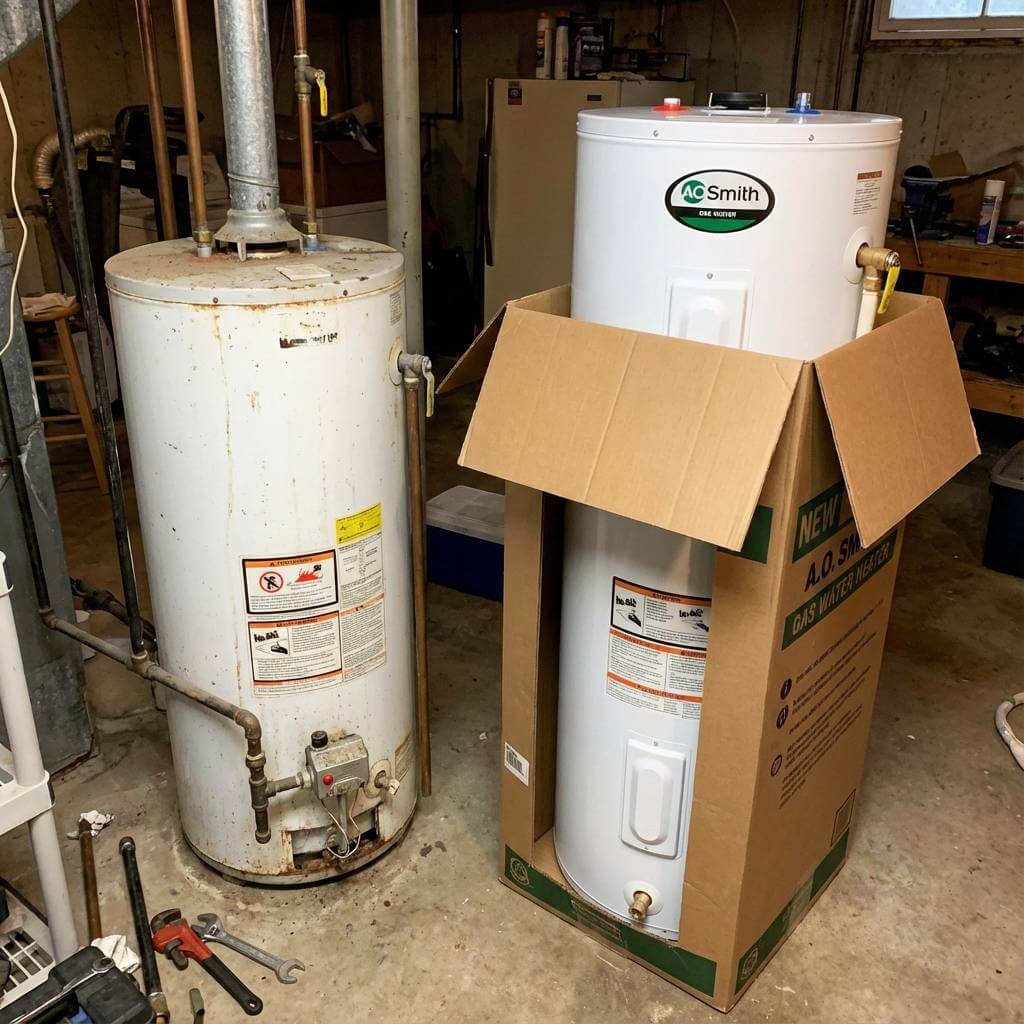
Nobody thinks about their hot water system until they’re halfway through a morning shower and the water goes cold. It’s one of those appliances that quietly does its job for years, and most people only pay attention once something goes wrong.
The problem is that waiting for a complete system failure turns a planned upgrade into a stressful and expensive emergency. You end up with fewer choices, higher costs, and no hot water while you sort it out. The most common warning signs include age (10+ years), rusty water, visible leaks, strange noises, inconsistent water temperature, and rising energy bills.
Most of these problems don’t appear overnight. They build up gradually, which is exactly why they get ignored until something fails completely. With 30+ years in the hot water industry, the team at Same Day Hot Water Service knows what to look for and when it actually matters.
We are going to walk through the nine key signs, help you figure out whether a repair or replacement makes more sense, and show you how to upgrade without overpaying.
The 9 Warning Signs Your Hot Water System Needs Replacing
1. Your System Is Over 10 Years Old
Age is the most reliable predictor of hot water system failure. Even if your water heater is still running, its internal components are degrading, efficiency is dropping, and the risk of a sudden breakdown is increasing every year.
If your hot water unit is 10+ years old and shows any of the signs on this list, replacement is almost always the smarter financial move.
2. You’re Running Out of Hot Water Faster Than Usual
If no one has moved in recently, but your morning shower keeps getting cut short, your hot water tank is losing effective capacity. Sediment settles to the bottom of the storage tank over time, reducing usable space. Both the upper and lower heating elements become caked with mineral deposits and struggle to heat water properly.
The result is less hot water, longer recovery times, and cold showers becoming a regular thing.
3. Water Temperature Is Inconsistent or Unreliable
Fluctuating temperatures during a single shower, going from scalding to freezing and back, point to a failing hot water system. A malfunctioning thermostat often causes this inconsistent water temperature, degraded heating elements, or burner issues in gas systems where the pilot light won’t stay lit.
Replacing a faulty thermostat might help in the short term, but in older systems, temperature-control problems usually indicate that multiple components are wearing out simultaneously.
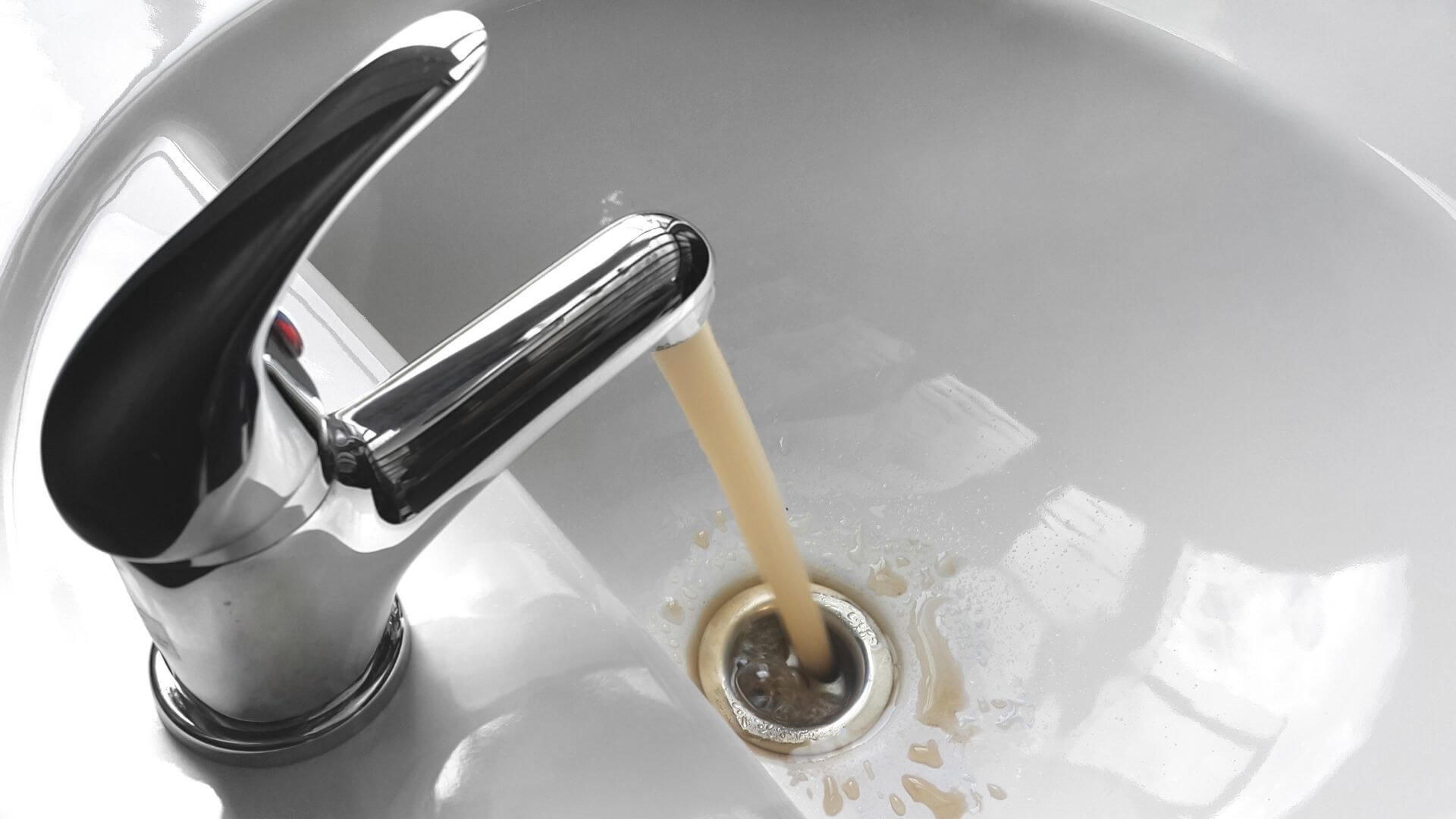
4. Rusty, Brown, or Discoloured Hot Water
Rusty water coming from your hot taps is one of the clearest signs your hot water system is corroding internally. Every storage tank has a sacrificial anode rod, a metal rod designed to corrode instead of the tank itself. It attracts the minerals and chemicals in the water so they eat the rod, not your water tank walls. Once the anode rod is fully consumed, the tank body becomes the target. Internal corrosion starts, and a leaking water heater isn’t far behind.
You can test this yourself by running the cold tap for a minute. If cold water runs clear but the hot water tap produces brown or discoloured water, the water tank is the source, not corroded pipes.
5. Visible Leaks or Pooling Water Around the Unit
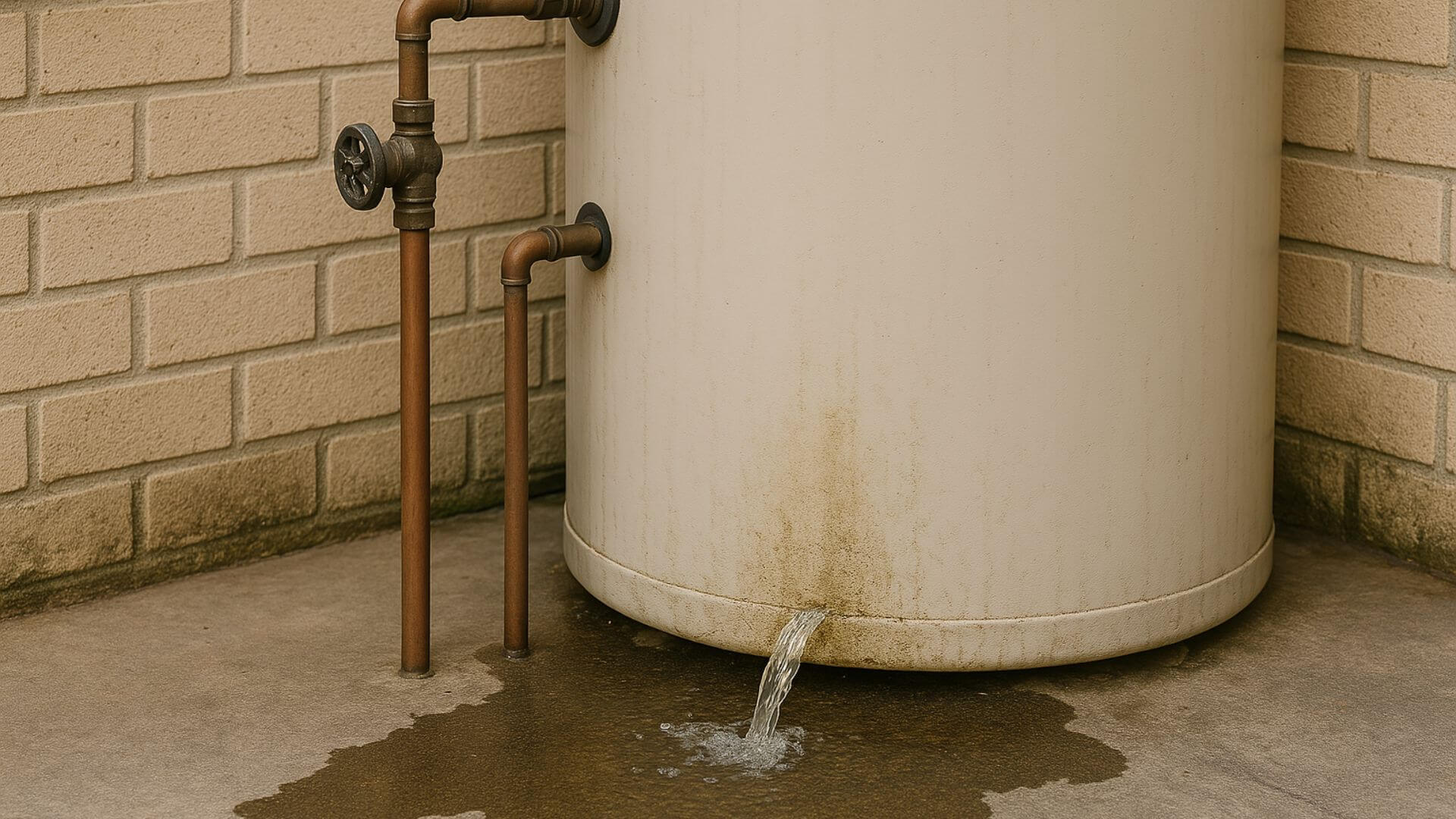
This is the most urgent warning sign on the list. If you notice pooling water around the base of your hot water unit, get it assessed immediately.
A leaking pressure relief valve or fitting may be a simple hot water repair, but if the tank body itself is leaking, the unit has failed and needs to be replaced. Even small drips escalate fast, and water damage to flooring, walls, and subfloors adds up quickly, especially if the system sits in an internal cupboard or on a timber floor.
6. Strange Noises Coming From the Unit
Unusual noises from your water heater, such as banging, popping, or rumbling, are caused by a buildup of hard minerals at the bottom of the storage tank. As the system heats water, the sediment overheats and cracks, creating excessive noise and unusual sounds during heating cycles.
Strange noises mean your hot water system is working significantly harder than it should, which drives up energy bills. Once sediment buildup has hardened to this degree, flushing the tank rarely resolves it.
7. Your Energy Bills Have Increased Without Explanation
Hot water accounts for 15% to 30% of household energy use. A failing hot water system with mineral deposits on heating elements and worn components has to run longer and harder to maintain a steady hot water supply. That extra effort shows up directly as rising energy bills.
If your usage hasn’t changed but your energy costs have crept up, your old hot water system is a likely culprit.
8. The Water Smells or Tastes Unusual
A metallic taste from the hot water tap can indicate a deteriorating anode rod, while a rotten-egg smell often signals bacterial growth inside the water tank. Bacteria thrive in lukewarm water, so if your system isn’t maintaining the proper temperature, it becomes both a water-quality and a health concern.
This one needs a professional plumber to assess whether the tank can be flushed and serviced or needs to be replaced entirely.
9. You’re Calling for Repairs More Than Once a Year
One hot water repair every few years is normal ongoing maintenance. Multiple call-outs within 12 months is a pattern indicating end-of-life. This is where the 50% rule comes in. If the cost of a single repair exceeds 50% of the price of a new hot water system, replacement is the better investment. Continuing to patch an old system with costly repairs is a false economy.
How Long Should a Hot Water System Actually Last?
| System Type |
Expected Lifespan |
| Electric storage hot water systems |
8–12 years |
| Gas storage systems |
8–12 years |
| Gas continuous flow (instantaneous) |
15–20 years with regular maintenance |
| Solar hot water systems |
15–20 years (panels), boosters/tanks may need replacing sooner |
| Heat pump hot water systems |
10–15 years |
To check your system’s age, look for the compliance plate or manufacturer’s sticker for the manufacture or installation date.
A few things can shorten these lifespans:
- Hard water areas with high mineral content
- Coastal locations where salt air accelerates corrosion
- Skipping regular maintenance and servicing
- Poor installation quality from the start
- Heavy household usage (large families, multiple showers a day)
Repair vs. Replace: How to Make the Right Call
Not every hot water problem means a new system.
Likely a repair: A faulty thermostat, a leaking pressure relief valve, or a worn heating element, especially if the system is under 8 years old and the tank is structurally sound. Electric heaters and gas heaters alike can have components replaced without swapping the whole unit.
Likely a replacement: The tank body is leaking, the system is 10+ years old, you’re seeing rusty water, or you’ve had multiple breakdowns in the past year.
The 50% Rule: If a single repair costs more than 50% of a new hot water system, replace it. You’re better off putting that money toward a modern system with a fresh warranty.
The “Two or More” Rule: If your system shows two or more of the warning signs above AND is over 8 years old, strongly consider replacement.
A planned replacement means choosing the right system, comparing options, and taking advantage of government rebates. An emergency breakdown doesn’t give you that luxury.
What Are Your Replacement Options?
| System Type |
Overview |
| Electric Storage |
Lowest upfront cost but highest running costs. Electric hot water systems are being phased out in some states. A like-for-like swap is the simplest option, but upgrading to a more energy-efficient option is worth considering. |
| Gas Storage |
A reliable option, but gas supply transition policies are changing the picture. In Victoria, end-of-life gas hot water systems must be replaced with an electric alternative from 1 March 2027. If your gas line is still connected, consider whether another gas unit is a long-term choice. |
| Gas Continuous Flow |
Heats on demand with no tank to rust. Longer lifespan than storage systems, but also affected by gas transition policies in some states. |
| Heat Pump |
The go-to replacement for most Australian homes. Modern systems use up to 70% less energy than traditional electric storage systems, making them highly energy-efficient. Eligible for significant government rebates. |
| Solar Hot Water |
Low running costs, higher upfront investment. Best suited to homes with good roof orientation. Also rebate-eligible. |
Don’t Wait for System Failure
If your hot water system is showing warning signs, the smartest move is to act before complete failure forces your hand. Emergency replacements limit your choices, cost more, and risk water damage from a burst unit.
Quick checklist:
- The system is over 10 years old
- Visible leaks or pooling water
- Rusty water from the hot taps
- Strange noises are coming from the unit
- Rising energy bills with no change in usage
- Inconsistent water temperature or cold showers
- Frequent costly emergency repairs
- Unusual smells or poor water quality
Ticking two or more boxes? It’s time to talk to a professional plumber about your options.
Same Day Hot Water Service supplies and installs all system types from leading brands, including Rheem, Rinnai, Bosch, Dux, and Stiebel Eltron. We offer upfront pricing, Australia-wide sales, and same-day installation.
Call 1300 721 996 or browse our full range of hot water systems to find the right replacement for your home.
FAQs
How do you know if your hot water system needs replacing?
The biggest giveaways are rusty or discoloured water, leaks around the base, inconsistent temperatures, strange noises, and energy bills creeping up for no obvious reason. Needing repairs more than once a year is another sign it’s on its way out. Most storage systems are nearing the end of their life by 10 to 12 years, so if the unit is getting up there in age and you’re noticing a couple of these, get a plumber to take a look.
How many years should a hot water system last?
It depends on the type. Electric and gas storage systems typically last 8 to 12 years. Gas continuous-flow systems can last 15 to 20 years with regular servicing, heat pumps 10 to 15 years, and solar collectors 15 to 20 years, though the tank and booster may need replacing sooner. Hard water, coastal air, and skipped maintenance all shorten those timeframes.
What are the signs that your hot water heater is going out?
Common early warning signs include running out of hot water faster than usual, fluctuating temperatures, unusual noises like banging or popping, rusty water, a rotten-egg smell, unexplained increases in energy costs, visible leaks, and the system needing repairs more than once a year. Multiple signs together usually mean the system is approaching failure.
Is it worth repairing an old hot water system?
If the system is under 8 years old and the issue is a faulty thermostat or pressure relief valve, a repair usually makes sense. But if the unit is over 10 years old, the tank is leaking, or repair costs exceed 50% of the price of a new system, replacement is the more cost-effective choice. Investing in costly repairs to a system near the end of its life rarely pays off.