With growing concerns around rising water and energy costs, it’s no surprise that more people are looking for ways to make their hot water go further. You may not realise, but your hot water accounts for around 21% of total household energy use, and the average Australian household uses 50–80 litres of hot water per person every day.
The good news? We have some clever hacks to share.
It’s not just about saving money, but also conserving our most precious resource, especially in Australia’s drought-prone climate. With the right water conservation hot water system strategies, you can cut usage by 20–40% without sacrificing your much-desired hot shower.
In this guide, you’ll learn practical and achievable ways to reduce water waste, optimise your current hot water system, and ingrain smarter daily habits that protect both your wallet and the environment.
How Much Water Does Your Hot Water System Really Use?
Understanding your household’s baseline is the first step toward making the necessary changes. Many Australians underestimate their hot water usage, and as we’ve shown, it’s one of the biggest contributors to both water and energy bills.
Average Australian Household Hot Water Consumption
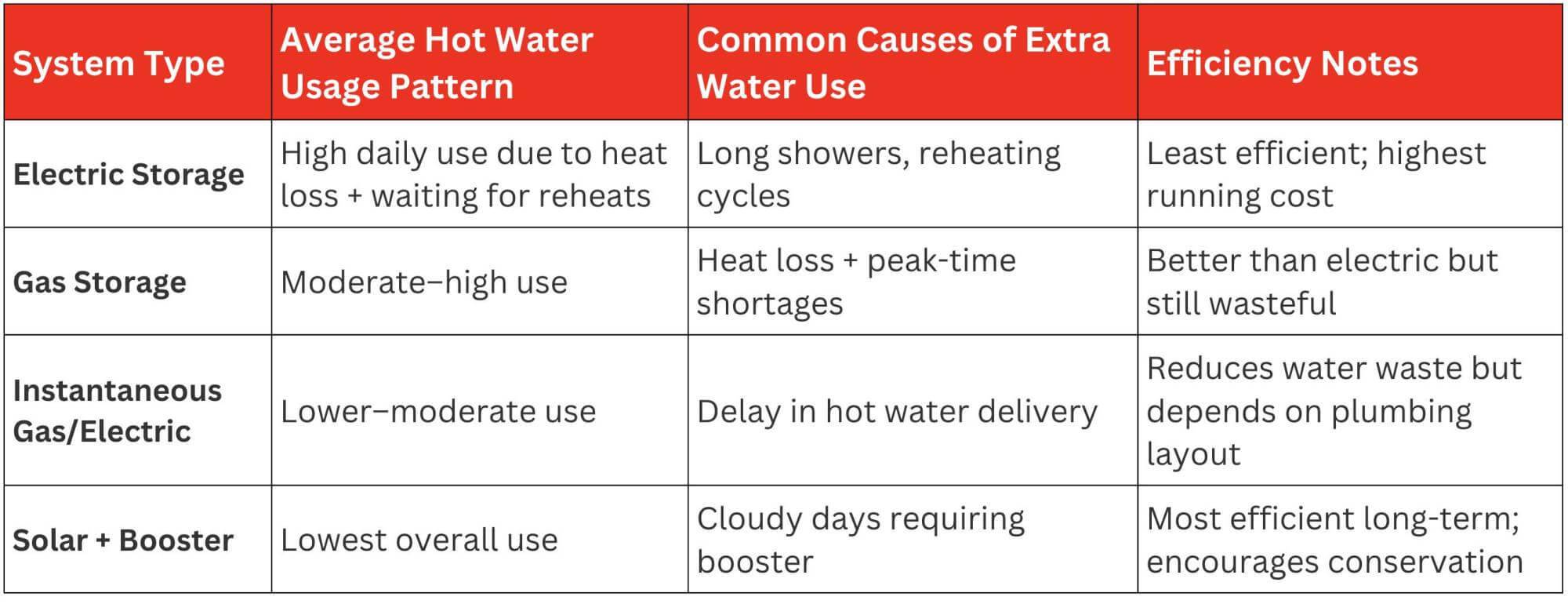
Here’s a snapshot of how much water different hot water systems use in typical day-to-day operation:
The Hidden Cost: Water + Energy Combined Expenses
Every litre of hot water you use has two price tags: the water itself and the energy needed to heat it.
What this means is that poor water habits can double your costs. For example, a family of four using the higher end of average consumption (80L per person) can pay hundreds extra each year in combined water and energy charges.
Peak Usage Patterns and Why They Matter
It’s all about peak usage time. Most homes hit their highest demand during early mornings (for showers, dishes and laundry) and evenings (for baths, cooking and cleaning).
This matters for various reasons. Storage systems may run out of hot water, leading to reheating cycles that use even more energy. Instantaneous systems may experience flow-rate limits that extend shower times and increase water usage, and solar systems may underperform at night unless supported by boosters.
Understanding peak patterns helps you schedule water-heavy activities more strategically, which reduces both wasted water and energy consumption.
5 Free Ways to Reduce Hot Water Usage Today
1. Reduce Shower Time by 2 Minutes (Use the 4-Minute Timer Trick)
Every minute less in the shower saves 6–12 litres of hot water, depending on your shower head. Try the 4-minute phone timer as a simple accountability hack.
2. Lower Your Hot Water Temperature to 60°C
A lower, stable temperature means less hot water is wasted reheating throughout the day. Setting your storage tank to just 60°C not only reduces unnecessary heat loss but also prevents bacterial growth.
3. Fix Leaking Taps Immediately (Drip Cost Calculator)
Not fixing a dripping tap can waste up to 30 litres a day. And if the leak is warm rather than cold? Even more. The ironic thing is, fixing washers and O-rings is quick and cheap, and literally stops water (and your money) from going down the drain.
4. Use Cold Water for Laundry When Possible
Modern detergents are formulated for cold washes, and heating water is the biggest energy user in laundry. But the cleaning performance is nearly identical. Switching even half your weekly loads to cold can significantly reduce hot water usage over a year.
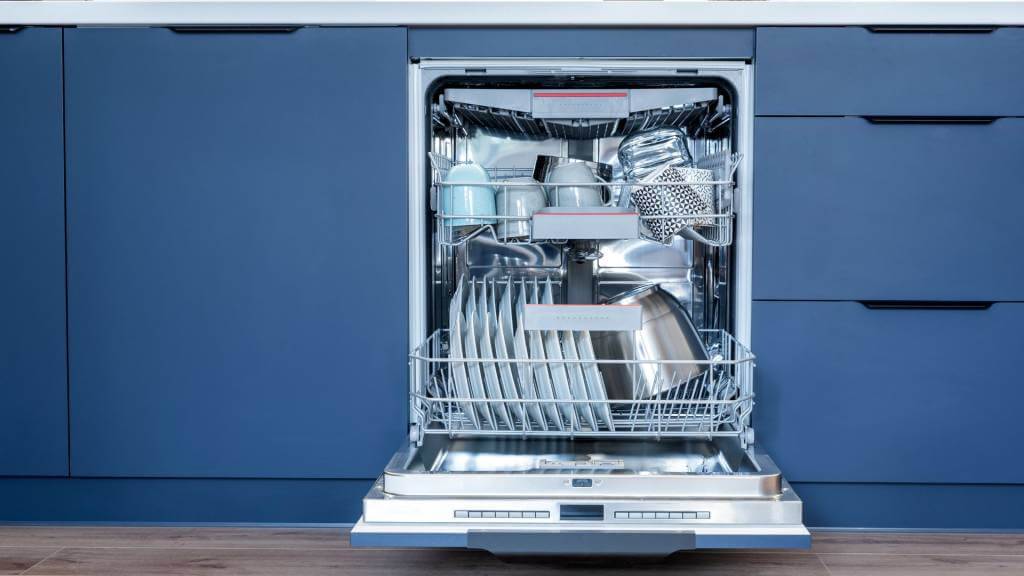
5. Run the Dishwasher Only When Full
Dishwashers can use 10–15 litres per cycle, but running half-loads doubles your water waste. Choose eco cycles and wait for a full load to maximise efficiency.
Low-Cost Upgrades for Maximum Impact
Even with these tips and good daily habits, the best long-term savings come from upgrading your hot water system. Such small additions boost hot water system efficiency and pay for themselves quickly. Here’s what we suggest to reduce water and energy waste.
Install Water-Efficient Shower Heads (3-Star WELS Minimum)
A high-efficiency shower head (or low-flow shower head) significantly reduces flow without sacrificing comfort.
- Cost: $30–80
- Annual savings: $200–350 in combined water and energy
- Payback period: As little as 2–4 months
Add Flow Restrictors to All Taps
This one is less known but also highly efficient. Flow restrictors limit water volume while maintaining good pressure, making them perfect for kitchens and bathrooms.
- Cost: $15–40 each
- Savings: Can cut tap water use by 20–50% (depending on current flow rate).
Insulate Your Hot Water Pipes
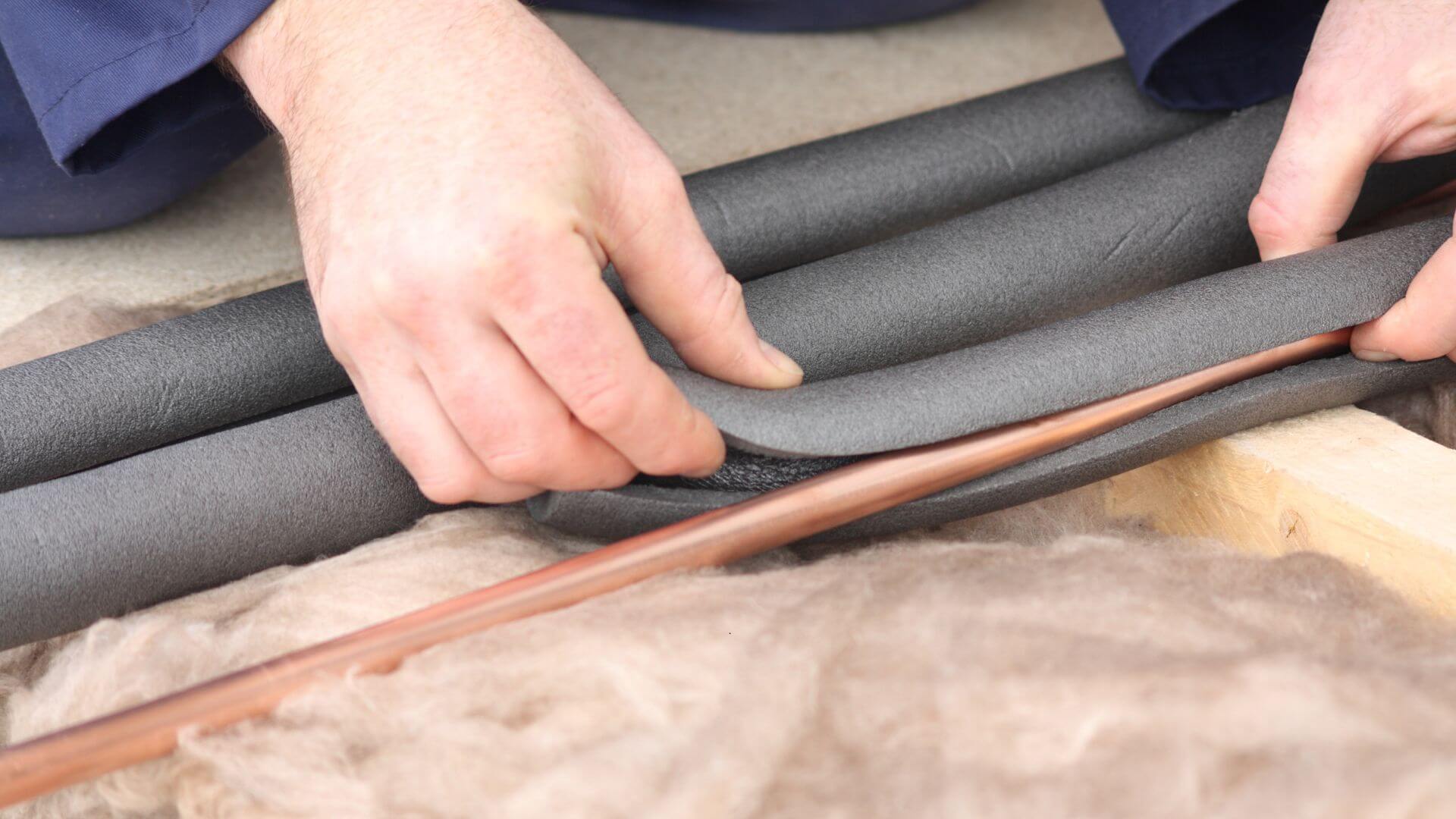
Insulating your pipes reduces heat loss as hot water travels from the water heater to your faucets and fixtures, meaning less water is wasted waiting for the temperature to rise.
- DIY: Foam sleeves (like polyethylene or neoprene) from hardware stores
- Professional: Advised for long pipe runs or hard-to-reach locations
- Benefit: Warmer water faster, and less wastage down the drain.
Install Tap Aerators
Aerators mix air with water to reduce flow while keeping pressure strong.
- How they work: They break water into fine streams, reducing litres used per minute.
- Installation: Screw onto the existing tap in seconds.
Fit a Hot Water Recirculation Timer
We talked about the significance of peak times and recirculation timers that ensure water only circulates when needed (e.g., mornings and evenings). As a result, this prevents constant reheating and reduces the amount of cold water wasted while waiting for hot water to arrive.
How to Maintain Your Hot Water System to Prevent Water Waste
Proper maintenance is the other big contributor to long-term water conservation.
Annual Professional Servicing Checklist
A yearly service ensures your system is operating safely and efficiently. A technician will check for:
- Hidden leaks
- Test the pressure relief valve
- Inspect the anode (for storage tanks)
- Assess pipe insulation
- Confirm the thermostat is set correctly
- Check exposed hot water pipes
If you’re thinking about the extra cost, keep in mind that regular servicing extends the system’s lifespan and prevents water waste caused by ageing or failing components.
DIY Maintenance You Can Do Quarterly
There are also things you can do yourself. Every few months, run a quick visual inspection around your tank or unit. Check for drips, moisture patches, rust marks or unusual noises.
Additionally, flush a few litres from the tank (if applicable) to reduce sediment build-up, check your pipe lagging for gaps, and make sure outdoor units have good airflow.
Signs Your System Is Wasting Water (and Energy)
Watch for:
- Longer warm-up times
- Fluctuating temperatures
- Pooling water around the base
- Higher-than-usual water bills
- Inconsistent pressure
- Hot taps running cold too quickly
These are early warnings that your system is no longer working efficiently and costing you both water and energy.
When to Consider System Replacement
If your system is old (10–15 years) and consistently underperforming or requiring frequent repairs, it’s time for a full replacement. Modern heat pumps and high-efficiency storage units use far less water and energy.
Is It Time to Upgrade? Choosing a Water-Efficient System
Continuing on from the previous point, let’s delve further into replacement energy efficient options and what they actually mean for long-term water savings.
Instant (Continuous Flow) vs Storage Systems: Water Usage Comparison
Instant systems heat water on demand, which means no standby losses and no tank refills. As a result, they are generally more water-efficient than storage systems.
Solar Hot Water: Water and Energy Efficiency Combined
Solar hot water systems are among the most sustainable (and increasingly popular) options, using the sun’s energy to heat water with minimal environmental impact. And when paired with rooftop solar power, even more so.
Heat Pump Systems: The Australian Climate Advantage
Another rising star is heat pump water heaters, which extract heat from the surrounding air, making them incredibly efficient across most of Australia’s climate zones. However, they’re not the best choice for very cold climates – think NSW Snowy Mountains or Victorian Alps.
System Sizing: Why Bigger Isn’t Always Better
It makes sense to match your system to the size of your household. Oversized systems waste water and energy by heating more litres than your household actually needs. Moreover, undersized systems cause frequent shortages and inefficient reheating.
Building Water-Conscious Habits in Your Household
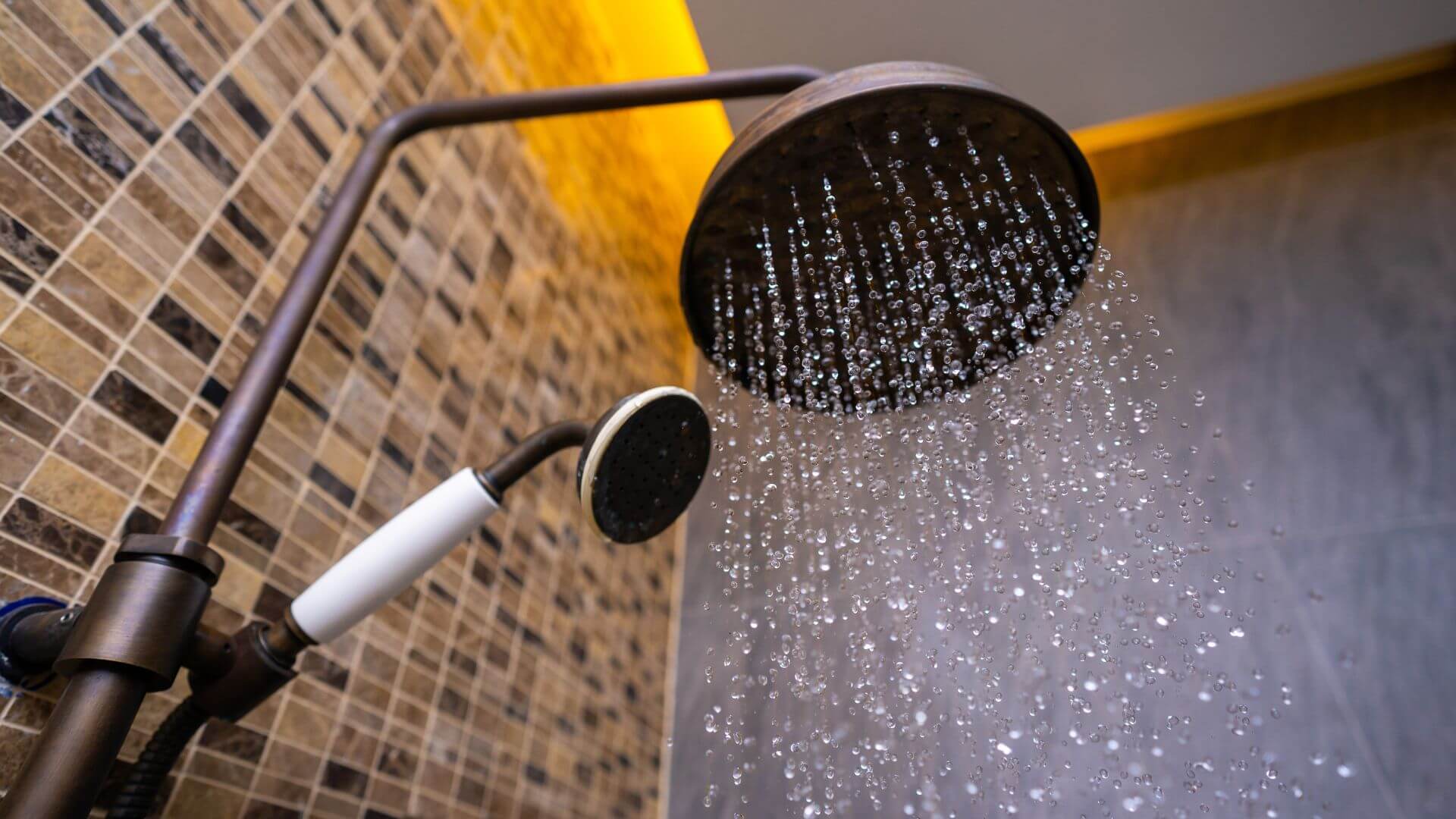
Navy Shower Technique
Quickly wet, turn off the water to soap, then rinse. It can save litres every day without sacrificing comfort.
Strategic shower scheduling for families
You can benefit from strategic shower scheduling (avoiding peak times).
Teaching kids about water conservation
Teach your kids simple water-saving rules, like turning taps off fully or keeping showers short.
Monitoring your usage: Apps and simple tracking methods
For extra accountability, new tech like usage-tracking apps with shower timer or simple meter checks make it easy to monitor progress.
Water Conservation Strategies by Australian Region
Tropical North: Managing Humidity and System Efficiency
In humid climates, ensure good ventilation around your hot water system to prevent efficiency loss and prioritise short, cool showers during hotter months.
Southern States: Winter Optimisation Strategies
Colder winters mean longer heat-up times, so insulating pipes and keeping showers short can significantly reduce both water and energy waste.
Arid Regions: Extreme Conservation Techniques
In drought-prone areas, low-flow fixtures and strict shower timers are the key. You can also capture warm-up water for plants or cleaning.
Water Restrictions and Compliance
Always check local water restrictions, as some councils enforce limits on outdoor use and mandate efficiency standards for fixtures and household water systems.
Small Changes, Big Water Savings
To sum it all up, the highest-impact water conservation strategies include shortening showers, fixing leaks, installing water-efficient fixtures or upgrading to a more energy-efficient hot water system.
Start with 2–3 changes and build habits over time: progress, not perfection. Every litre saved adds up.
While energy efficiency is important, water conservation is critical for Australia’s future and for reducing greenhouse gas emissions. For more tips on improving hot water efficiency, see our DIY energy savings guide.
Frequently Asked Questions About Hot Water System Water Conservation
What temperature should I set my hot water system for efficiency?
Setting your hot water system to around 60°C balances energy efficiency and safe use while reducing unnecessary water heating.
Do instant hot water systems really save water?
Instant (continuous flow) systems improve water conservation by eliminating tank standby losses and reducing wasted litres.
How much water can a leaking hot water system waste?
A leaking hot water system can waste hundreds of litres per week, undermining both water conservation and energy efficiency.
Are water-efficient shower heads worth it?
Yes. WELS-rated shower heads maintain performance while significantly reducing water use and hot water energy consumption.
Can I install water-saving devices myself?
Many devices, like tap aerators and flow restrictors, are simple DIY upgrades that improve hot water system efficiency in Australia.
What’s the most effective water conservation strategy?
Combining shorter showers, fixing leaks promptly, and using water-efficient fixtures yields the highest impact on saving water and energy.
How often should I service my hot water system?
Regular annual servicing ensures your hot water system operates efficiently, preventing water waste and maintaining energy performance.
Do solar hot water systems work in winter?
Yes. Modern solar hot water systems in Australia maintain efficiency in winter, often supplemented by backup heating for a consistent hot water supply.