The hot water in our homes is easy to take for granted.
We expect the taps to run hot for several uses while pumping hot water into appliances such as the dishwasher and washing machine without a second thought.
It is often not until the water suddenly runs cold that the health and function of the hot water system are considered.
If your hot water system has stopped producing hot water, it may be due to several issues.
A lack of functional hot water can make you feel like you’re going back in time to the Stone Age and put a huge roadblock in your day.
There could be many reasons why your taps are no longer producing hot water, particularly during winter when the pipes are at their coldest.
The problem can range from a simple fix to needing a full-scale hot water system replacement.
In this blog, you will learn some things to look out for the next time your hot water runs cold, along with ways to manage the situation, so you don’t have to panic or endure a freezing cold shower.
An emergency plumber will be able to troubleshoot the problem quickly; however, there are a few things you can check to get yourself back in hot water even faster:
1. Check to see if the water is turned on all the way
If your hot water is dribbling or dripping from your tap at very low pressure, the issue could be a partially closed valve.
This is especially suspect if your cold water is running strongly and your hot water is struggling to keep up. Your hot water heater will have a shut-off valve that can become partially closed, so all you need to do is switch the hot water valve to the fully on position.
If your water pressure from both the cold and hot taps is struggling, your main shut-off valve could be the culprit. This valve is responsible for shutting off all water flow to your home and is generally located toward the front of the house or near the water heater. Ensure this valve isn’t closed, and your problems may be solved.
2. Consider your hot water system maintenance
Many homeowners don’t think their hot water system needs much maintenance, expecting it to work away in the background without much fuss. While they don’t require much attention, if hot water systems are left unchecked, they can build up sediment and limescale that can affect the ability to heat your water.
This is especially true in areas with hard water.
Over time, the interior walls of your storage tank may begin to corrode, causing sediment to flake off and settle at the bottom of the tank and within the hot water pipes. This can cause a blockage and impact the quality of your hot water. If you’re aware that your tank is getting on in years and is behind on maintenance, or you hear weird sounds coming from your water heater, a call to a plumber may be needed to clean the sediment and give your tank a health check.
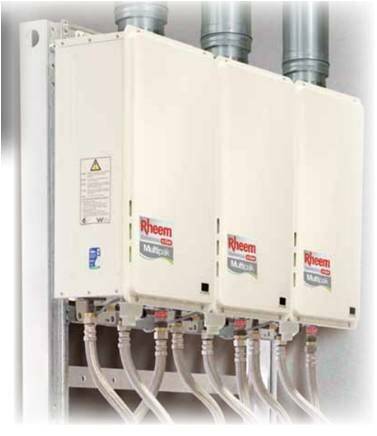
3. Make sure your tankless system isn’t overheating
A tankless hot water heater can overheat just as easily as a tank-type hot water heater.
This overheating is not only dangerous to the touch but can also wreak havoc on your hot water system and the quality of your hot water.
An overheating hot water heater can result from the thermostat being set too high, a restriction in the inlet valve, restricted airflow blocking the flue gases, a cracked or clogged heat exchanger, or a malfunctioning temperature sensor. Most of these issues will need a professional eye; however, you can ensure the temperature is set appropriately or reboot your system as a first step.
4. Check for leaks
A leak in your hot water system is never a welcome surprise, whether you have an electric storage system or a gas storage system.
For a water heater to do its job, it requires an adequate amount of water within the tank.
This water is maintained automatically unless there is a leak within the tank. This will result in a huge dip in energy efficiency as well as the reliability of hot water. This leak could appear anywhere from the tank itself to the connections between the tank and its valves, as well as in the pipes.
If you have a gas hot water system, a leak becomes not only inconvenient but also dangerous. A gas leak can be detected through a range of methods, the most obvious being a rotten egg smell exuding from the area around your tank. If your water doesn’t have enough gas to heat it, it is fighting a losing battle. If you suspect a gas leak, calling a plumber as soon as possible is essential for your safety and the integrity of your hot water system.
5. Reset your electricity
If you have an electric system, it relies on the health and function of the electricity in the property. If your electric hot water system is suddenly producing exclusively cold water, turn off the heater and reset the circuit breaker.
If the breaker has tripped, a quick reset will be all you need to get your home back in hot water. If the problem persists and the circuit breaker continues to trip, it’s time to call a qualified electrician to maintain the integrity of your home’s electricity.
Call in the professionals…
Many of these concerns can be diagnosed by a studious homeowner, but when it comes to replacing your hot water system or installing a new hot water system – it’s time to call the professionals.
We don’t recommend attempting any major fixes, replacements, or maintenance without proper training. If your hot water problem is caused by anything beyond a flicked switch, it’s time to give our crew a call. Plus, we can help with any documentation for insurance claims!
With same-day 24/7 service, our emergency plumbers can arrive at your property right when you need them, fixing your hot water system so your hot water doesn’t skip a beat. If your system needs a replacement or you want to install a more efficient and higher-functioning system, we can help.
Simply give us a call on 1300 160 956 or contact our team today to get your hot water flowing perfectly.