24/7 Plumbing Emergency Hotline Call 1300 721 996


Water heating is the second-largest energy expense in most Australian homes, making up 15% to 30% of your total energy bill. It’s also the largest single source of greenhouse gas emissions from an average household, contributing up to 25%. The hot water system you choose has a bigger impact on your energy bill than almost any other appliance in the house.
The problem is, most people only think about their hot water system when it dies. You wake up to a cold shower, panic, and end up replacing it with the same type you had before. That rushed decision can cost you thousands over the next decade. This article breaks down how to save money on your next hot water system by comparing total costs, choosing the right type, right-sizing your unit, and claiming every rebate available.
Most people focus on the purchase price, which means they miss what actually impacts the cost.
What matters is the total cost of ownership: purchase price + installation + (annual running cost x lifespan). An electric storage water heater might cost $1,500 installed, but if it is running on a continuous tariff, you could be paying over $1,000 a year to heat water. A heat pump water heater costs more upfront ($3,500 to $5,000 installed), but running costs typically sit around $300 to $450 a year. Over 10 years, the heat pump is the cheapest hot water system to run by a wide margin.

If you currently have an electric hot water system on a continuous tariff, you are almost certainly paying more than you need to. That does not mean it was a bad choice at the time. Electric storage systems are the most common in Australia because they are cheap to buy and simple to install. But when the time comes to replace, it is worth looking at the full picture.
There is no single best hot water system for every home. The right one will depend on your fuel source, climate, household size, and budget, but you can get an idea based on typical running costs.
Electric storage (off-peak): The most common water heater in Australian homes. Running on an off-peak tariff (Tariff 31 or 33) keeps costs manageable. If you are already set up for off-peak, a like-for-like electric storage hot water system replacement is the simplest swap. Off-peak electric systems require a larger storage tank because all the water must be heated overnight and stored for the day. An older or poorly insulated storage tank can suffer very high heat loss through the walls, so wrapping it with an insulation blanket helps. Insulate any exposed hot water pipes as well, particularly long runs between the tank and your bathroom or kitchen. In cold climates and cold weather, standby losses increase, which pushes up your energy bill.
Gas continuous-flow: These instantaneous water heaters heat water only when you turn on the hot water tap. No storage tank means no standby heat loss. A 5 or 6-star gas water heater is one of the cheapest to run when natural gas is available. The unit heats cold water on demand using a gas flame, so you only pay for what you use. Gas hot water systems produce fewer greenhouse gas emissions than standard electric systems powered by grid electricity. Keep in mind that retrofitting from a tank system to a continuous flow system adds pipework and installation costs.
Heat pump hot water: This is where most households see the biggest savings. A heat pump water heater uses a small amount of electricity to extract heat from the surrounding air and transfer it into the water. Heat pump systems use roughly a third of the energy of a conventional electric hot water system, making them one of the most energy-efficient options available. An electric heat pump works well in most Australian climates, though performance can dip in cold climates. Heat pump hot water systems can save a typical family $600 to $850 per year compared to electric storage. If your home has solar panels, running a heat pump hot water system during the day using your own solar energy can make your hot water virtually free of greenhouse gas emissions. Heat pump water heaters are available as integrated or split systems, and they suit most homes with reasonable airflow around the unit.
Solar hot water system: Solar water heaters use solar panels or evacuated tubes on the roof space to heat water stored in a storage tank. A solar hot water system can provide up to 90% of your hot water needs in sunny climates, and solar systems are among the lowest emitters of greenhouse gas emissions. The payback period can be 10 years or more, depending on the system, usage, and how much sun your area gets. They also need a gas or electric booster for cloudy days and cold weather.
LPG (liquefied petroleum gas): The most expensive fuel source by far. If LPG is your only option, switching to a heat pump water heater is usually the smartest move to save money on running costs and reduce carbon emissions.
Getting the size wrong costs you either way. A hot water tank that is too large wastes energy heating water nobody uses. One that is too small runs constantly, pushing up your energy bill and shortening the system’s lifespan. You want an efficient system sized to provide adequate hot water without excess.
As a general guide, the average person uses about 50 litres of hot water a day. A household of 1 to 2 people suits a 125 to 160L storage water heater. Three to four people should look at 250 to 315L. A family of five or six needs 315 to 400L. Think about how much hot water your household actually uses, and factor in future changes too.
Continuous flow and instantaneous water heaters are sized by litres per minute rather than tank capacity. Your installer can help match the flow rate to the number of hot water outlets in your home.
For off-peak electric systems, you will generally need a larger tank because all the cold water entering the system has to be heated during the off-peak window and stored for use throughout the day.
Rebates can take a serious chunk off the upfront cost of an energy-efficient hot water system, especially heat pump and solar systems.
Federal: The Small-scale Renewable Energy Scheme provides small-scale technology certificates (STCs) for eligible heat pump hot water and solar water heaters. STCs work as an upfront discount, typically worth $500 to $1,000 depending on your location and the system you choose. STC values reduce each year, so installing sooner gets you a bigger discount.
Victoria: The Solar Homes hot water rebate offers up to $1,000 on an eligible new hot water system, or up to $1,400 for locally made products. Combine that with Victorian Energy Upgrades (VEU) discounts and the total upfront reduction can reach $1,630 to $2,030. From 1 March 2027, Victorian homes must replace end-of-life gas hot water systems with an efficient electric alternative.
NSW: The Energy Savings Scheme (ESS) provides discounts on eligible heat pump and solar hot water installations through approved retailers.
Other states: QLD, WA, SA, and the ACT each run their own energy efficiency programs. Check the federal government’s energy rebate website to find what is available in your area.
Rebates change frequently, so always confirm current eligibility before purchasing. Ask your installer what applies at the time of your quote.
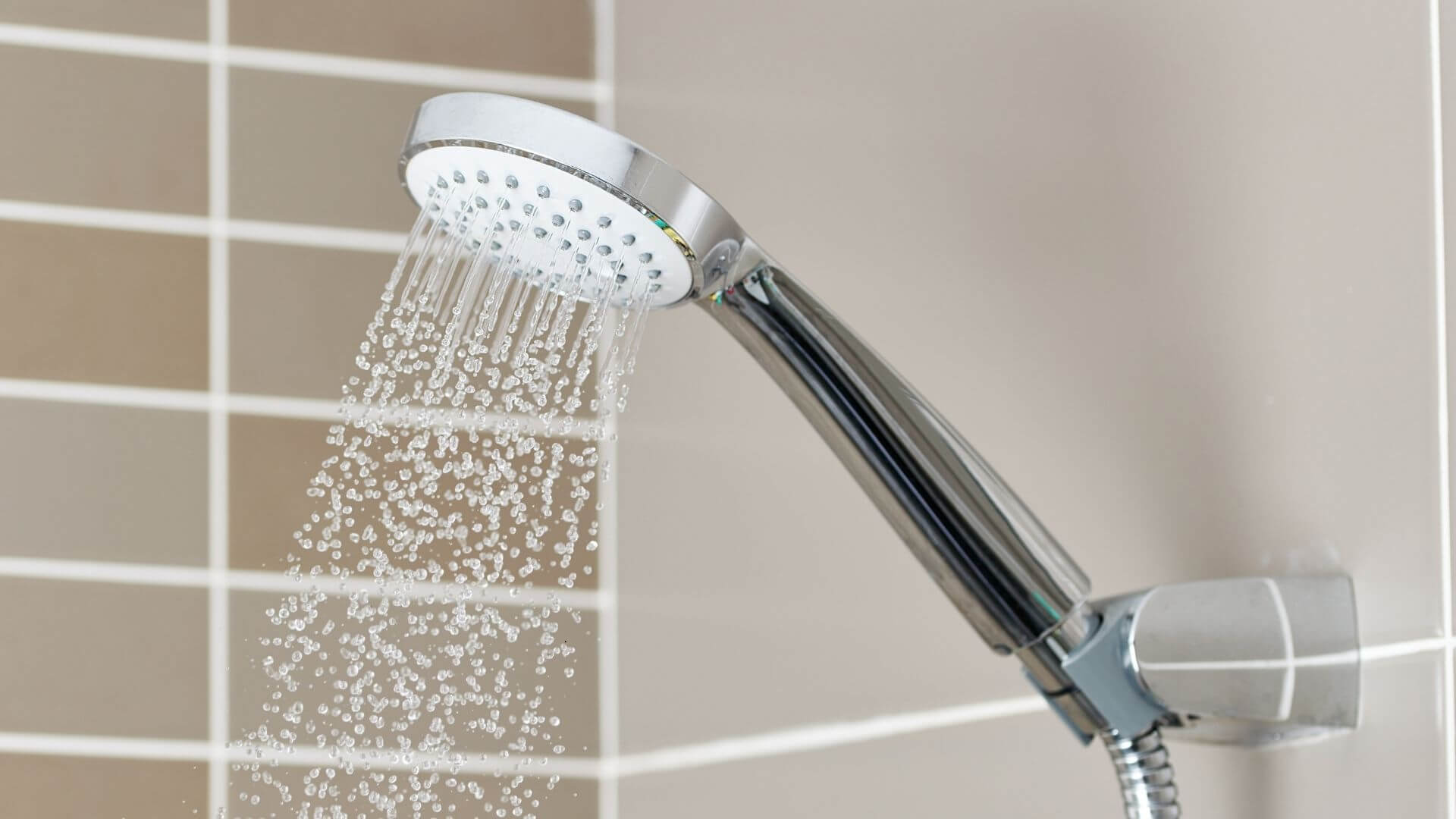
Not ready to replace your system yet? These changes can save energy and cut your energy bill straight away.
Set your thermostat correctly. Storage systems should be set to 60°C minimum (required for bacteria control) but no higher than 65°C. Every degree above what is needed wastes energy. Continuous flow systems can be set to 50°C.
Switch to an off-peak tariff. If you have an electric storage hot water system that is not connected to a controlled load circuit, you are paying peak rates to heat water. Switching to off-peak (Tariff 31 or 33) can save hundreds per year. This is one of the cheapest hot water system improvements you can make.
Fix dripping hot water taps and leaking valves. A dripping hot water tap wastes both water and the energy used to heat it. Get it looked at sooner rather than later.
Install a low-flow showerhead. This reduces how much hot water each shower uses without ruining the experience. It works well with most storage and continuous flow systems.
Changing from one system type to another (for example, from electric to gas, or from gas to a heat pump) can deliver significant long-term savings on your energy bill. But the retrofit costs need to be factored in. Running new pipework, upgrading your meter box for a heat pump, or installing a gas line can add significantly to the total price.
A same-type replacement is usually the cheapest upfront, but it is not always the smartest long-term. Get a quote that includes all switching costs, not just the unit price, so you can properly compare total cost of ownership.
Do not wait until your system dies. Emergency replacements leave you with less time to compare options and a higher chance of a like-for-like swap that may not be the most energy-efficient choice.
If your hot water system is 10 years or older, start researching now. Stock levels, seasonal demand (winter means longer wait times), and rebate program cycles all affect what you pay. Planning ahead gives you more options, better pricing, and time to claim available rebates.
Same Day Hot Water Service lists upfront advertised pricing for all major brands across every state, covering supply-only and supply-and-install options. With over 30 years in the industry and no bias toward any particular system type, we can help you work out which efficient hot water system delivers the best value for your home. Call 1300 721 996 or get in touch through our website for a quote.